If you think buying your first home in Northeast DC means choosing between overpriced listings and impossible tradeoffs, the good news is that the market is more varied than it first appears. Your starter-home options can look very different depending on how you balance price, property type, and commute. In this guide, you’ll see where entry-level buyers often find opportunity in Northeast DC, what each home type really costs to own, and how to build a smarter plan before you start touring. Let’s dive in.
What a starter home means in Northeast DC
In Northeast DC, a starter home is not one fixed property type or price point. The DC Office of Planning treats Upper Northeast as a mix of single-family neighborhoods, rowhouse areas like Trinidad, higher-density pockets such as Edgewood and Fort Totten, and transit-oriented development around Fort Totten, Brookland-CUA, and Rhode Island Ave-Brentwood.
That matters because your budget may stretch very differently from one part of Northeast to another. In March 2026, Washington, DC had a median sale price of $676,500, while the broader Northeast Washington market was $600,000. Within Northeast itself, neighborhood median prices ranged from $398,000 in Deanwood to $814,500 in Near Northeast.
For a first-time buyer, that spread creates real choices. You may be able to buy a lower-priced condo in a more central area, a rowhouse in a mid-range pocket, or a smaller detached home farther out depending on your goals.
Northeast DC price ranges to know
Looking at neighborhood-level data can help you set realistic expectations before you shop. Here is a snapshot of March 2026 median sale prices in several Northeast DC areas:
- Deanwood: $398,000
- Brentwood: $470,000
- Trinidad: $675,000
- Fort Totten: $682,500
- Brookland: $702,500
- Near Northeast: $814,500
These numbers do not mean every home in those neighborhoods sells at that exact level. They do show how much your budget, monthly payment, and property type may change from one area to another.
Northeast Washington is also somewhat competitive, with homes receiving about two offers on average and selling in around 94 days. That can give you a bit more room to compare options than in a faster-moving market, but the right listing can still attract attention quickly.
Starter home types in Northeast DC
Condos and co-ops
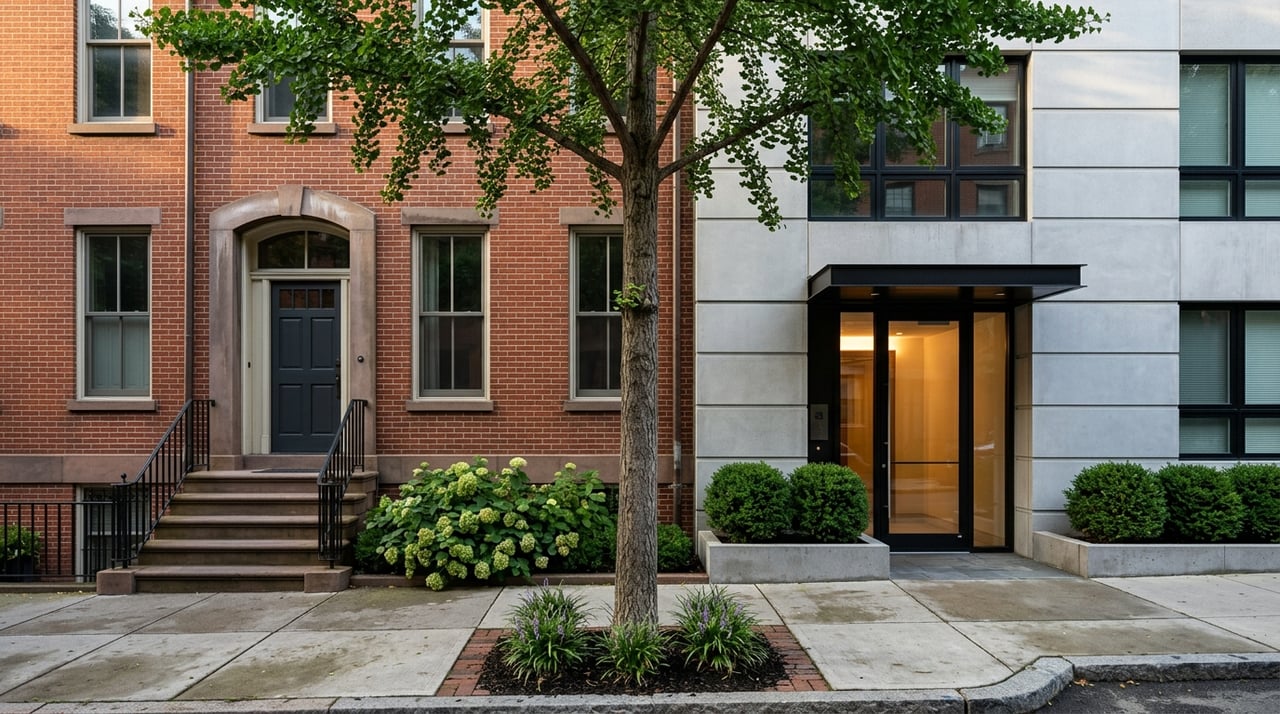
A condo can be one of the most accessible ways to buy in Northeast DC. You own your individual unit, while the building or community maintains common areas and shared elements.
For many buyers, the biggest advantage is lower day-to-day maintenance. The tradeoff is the monthly condo fee, which is separate from your mortgage and can range from a few hundred dollars to more than $1,000 per month depending on the building and what is included.
If your top priorities are a lower purchase price, less exterior upkeep, and a more predictable maintenance routine, a condo may be a strong first step. Just make sure you compare the full monthly cost, not only the listing price.
Best fit for condo buyers
A condo may make sense if you:
- Want a lower-maintenance lifestyle
- Prefer a smaller upfront budget
- Value location or transit access over square footage
- Want to ease into ownership before taking on major repairs
Rowhouses and small townhomes
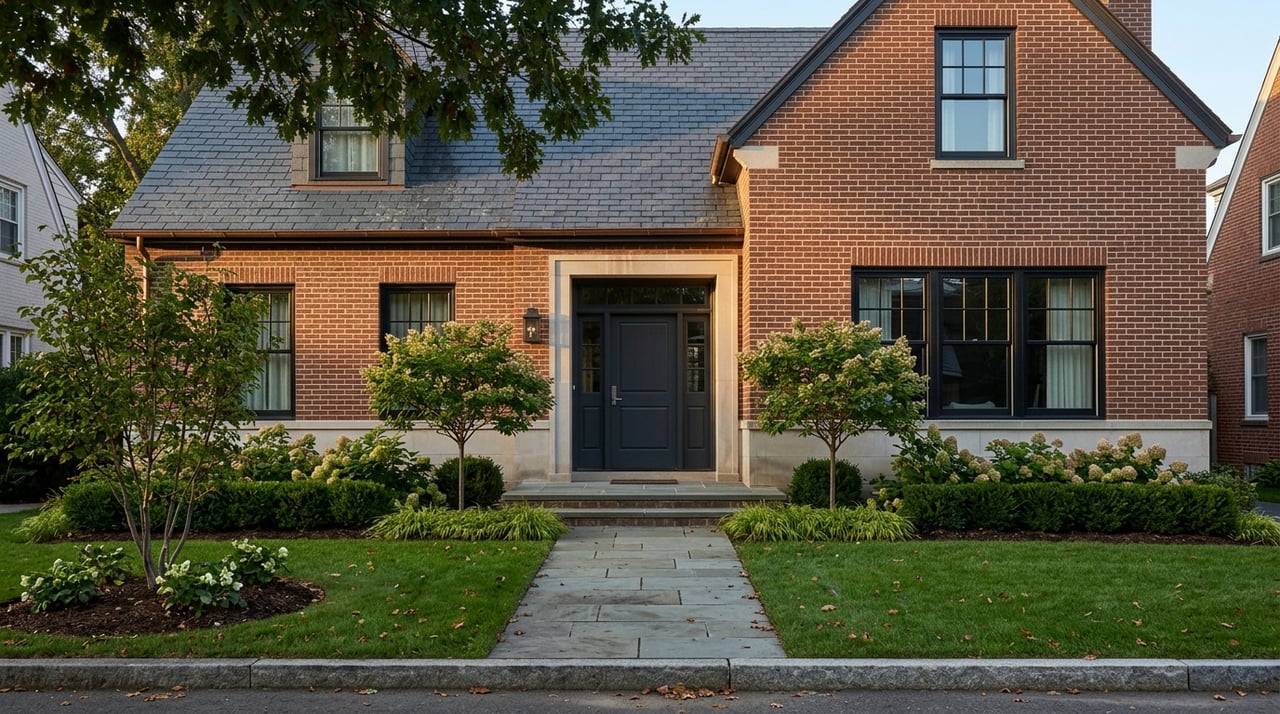
Rowhouses are a signature Northeast DC housing type, especially in neighborhoods such as Trinidad and Stronghold. They often offer more interior space and more flexibility than a condo, which can appeal to buyers planning to stay put for a few years.
The main tradeoff is responsibility. When you own a rowhouse, you are generally responsible for repairs and maintenance, and Fannie Mae suggests budgeting about 1% to 4% of the home’s value each year for those costs.
That extra responsibility can still be worth it if you want features that are harder to find in a condo, such as more rooms, a basement, or outdoor space. For some first-time buyers, this is the middle ground between affordability and long-term flexibility.
Best fit for rowhouse buyers
A rowhouse may be a strong fit if you:
- Need more space than a condo typically offers
- Want more control over the property
- Are prepared for repair and maintenance costs
- Like the idea of more flexibility over time
Detached and semi-detached homes
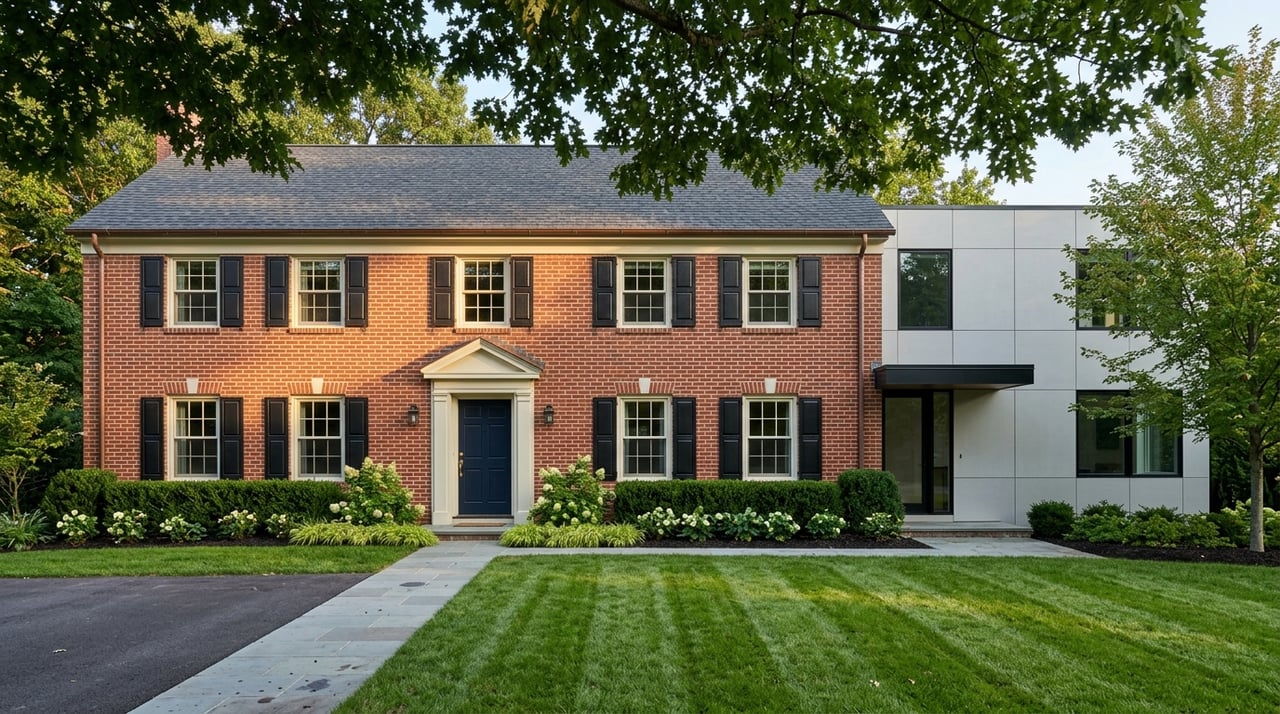
Some parts of Upper Northeast include small detached or semi-detached homes in neighborhoods such as Arboretum, Woodridge, Queens Chapel, and Michigan Park. These properties can offer more privacy, yard space, and room to grow.
They also tend to require the most capital up front and the largest maintenance reserve. If you are considering this route, your budget should leave room for both the purchase and the ongoing cost of ownership.
For the right buyer, that extra space can be worth it. Still, many starter-home shoppers in Northeast DC find that condos and rowhouses offer a more comfortable entry point.
Neighborhoods to watch by budget and commute
Deanwood for lower entry pricing
Deanwood stands out as one of the more affordable Northeast submarkets, with a median sale price of $398,000 in March 2026. For buyers who want to break into the DC market at a lower price point, that number makes Deanwood hard to ignore.
WMATA says Deanwood station sits on the Orange and Silver lines and is the last station in DC on the eastern side of the Orange Line. If your strategy is to prioritize price and transit access over being closer to the center of the city, Deanwood deserves a look.
Brentwood for rail and trail access
Brentwood had a median sale price of $470,000 in March 2026, placing it above Deanwood but below several other Northeast neighborhoods. That can make it appealing if you want a middle ground on price.
Rhode Island Ave-Brentwood is on the Red Line and connects by skybridge to the Metropolitan Branch Trail. For buyers who care about both rail access and bike connectivity, Brentwood offers a practical commute advantage.
Fort Totten for transit flexibility
Fort Totten had a median sale price of $682,500 in March 2026. It is not the cheapest option, but it can offer strong value for buyers who place a premium on transportation choices.
WMATA says Fort Totten serves the Red, Green, and Yellow lines and also offers Metrobus and bikeshare access. That kind of transit flexibility can make Fort Totten a useful middle ground between lower-cost outer areas and pricier central Northeast neighborhoods.
Brookland for connected living
Brookland’s median sale price was $702,500 in March 2026. It is a higher-priced entry point, but some buyers see the value in its established transit connections.
Brookland-CUA is on the Red Line, next to Catholic University, and has Metrobus connections to Washington Hospital Center. If your daily routine depends on a reliable transit backbone, Brookland may justify the higher price.
Trinidad and Near Northeast for buyers with flexibility
Trinidad’s median sale price was $675,000, and the DC Office of Planning identifies it as a rowhouse neighborhood. That can make it especially relevant if you are looking for classic Northeast housing stock and more space than a condo.
Near Northeast came in at $814,500, the highest of the examples listed in the research. In that part of the city, a starter budget may mean looking at smaller units or preparing for a higher monthly payment.
Why commute matters more here
In Northeast DC, commute strategy is not a minor lifestyle preference. It can shape which neighborhood and property type make sense for your budget.
The Upper Northeast planning area includes major stations such as Fort Totten, Brookland-CUA, and Rhode Island Ave-Brentwood, and the Metropolitan Branch Trail continues to improve connections through the area toward downtown. If you can save money by moving a bit farther out while keeping a workable commute, that tradeoff may open better starter-home options.
Costs first-time buyers should plan for
Condo fees and monthly ownership costs
If you buy a condo or co-op, your budget needs to account for the monthly fee in addition to principal, interest, taxes, and insurance. This is one of the most common budgeting mistakes for first-time buyers.
A lower purchase price can still lead to a higher-than-expected monthly payment if the condo fee is substantial. Before you make an offer, compare total monthly cost across different property types.
Maintenance reserves for rowhouses and houses
If you buy a rowhouse, detached home, or semi-detached home, you should plan for repairs and upkeep from day one. Fannie Mae’s guidance to reserve about 1% to 4% of the home’s value per year gives you a practical framework.
That does not mean you will spend that amount every year. It does mean your budget should be ready for expenses such as roofing, plumbing, appliances, or exterior work over time.
Property taxes and the Homestead Deduction
DC taxes residential property at 0.85%. If the home is your owner-occupied primary residence, the Homestead Deduction reduces the bill by $739.93 per year and caps annual assessment increases at 10%.
That can make a real difference in your long-term cost of ownership. If you are buying to live in the property, be sure you understand whether you qualify and how it affects your budget.
DC programs that may help you buy
HPAP for qualified buyers
The DC Home Purchase Assistance Program, or HPAP, offers interest-free loans and closing cost help for qualified buyers purchasing single-family homes, condominiums, or co-op units in DC. Current guidance says eligible applicants may receive up to $202,000 in gap financing plus up to $4,000 in closing cost assistance.
There are important conditions. The home must be your main residence, and it cannot be rented out to others under the current guidance.
Inclusionary Zoning opportunities
DC’s Inclusionary Zoning program can also create opportunities, especially if you are open to newer buildings. Front Door says that 8% to 10% of units in most new or renovated condo or townhome developments are sold at reduced prices, and buyers enter through a lottery.
HPAP can be used with an Inclusionary Zoning purchase. For some first-time buyers, that combination can be a meaningful path into the market.
House hacking in Northeast DC
Some first-time buyers look for a home that can help offset monthly costs through room rental or a similar strategy. In Northeast DC, that approach can work, but the rules matter.
DC says that if you rent out a portion of your house, you must have a general business license and register with OTR. That means house hacking is not just a financial question. It is also a compliance question.
Property type matters here too. A condo may be the easiest way to buy at first, but a rowhouse or small single-family home may offer more flexibility for room rentals if the financing, tax treatment, and local rules still make sense for your plan.
How to choose the right starter home
If you are trying to narrow your options, focus on these four questions first:
- What monthly payment feels sustainable, including fees and maintenance?
- How important is Metro or trail access to your daily routine?
- Do you want lower maintenance or more long-term flexibility?
- Are you planning to live in the home only, or do you hope to rent part of it later?
When you answer those questions honestly, the field usually gets clearer. In Northeast DC, the smartest starter-home decision is often less about finding the perfect home and more about finding the best match between your budget, commute, and ownership style.
A clear local strategy can save you time, prevent expensive surprises, and help you act with more confidence when the right listing appears. If you want help comparing condos, rowhouses, or detached homes across Northeast DC, Francisco Hoyos can help you build a plan that fits your goals.
FAQs
What is considered a starter home in Northeast DC?
- A starter home in Northeast DC can be a condo, co-op, rowhouse, townhome, or smaller detached home, depending on your budget, location, and commute needs.
Which Northeast DC neighborhood has the lowest median sale price in this guide?
- Based on the March 2026 figures in this guide, Deanwood had the lowest median sale price at $398,000.
Are condos in Northeast DC cheaper to own than rowhouses?
- Condos may have a lower purchase price and less exterior maintenance, but you also need to budget for monthly condo fees on top of your mortgage.
What should first-time buyers budget for beyond the mortgage in Northeast DC?
- You should plan for property taxes, insurance, condo fees if applicable, and maintenance or repair reserves for rowhouses or houses.
Can DC homebuyer programs help with a starter home purchase in Northeast DC?
- Yes. Qualified buyers may be able to use DC programs such as HPAP, and some buyers may also explore Inclusionary Zoning opportunities for reduced-price units.
Can you rent out part of your starter home in DC?
- DC says that if you rent a portion of your house, you must have a general business license and register with OTR, so it is important to match your plan to local rules from the start.