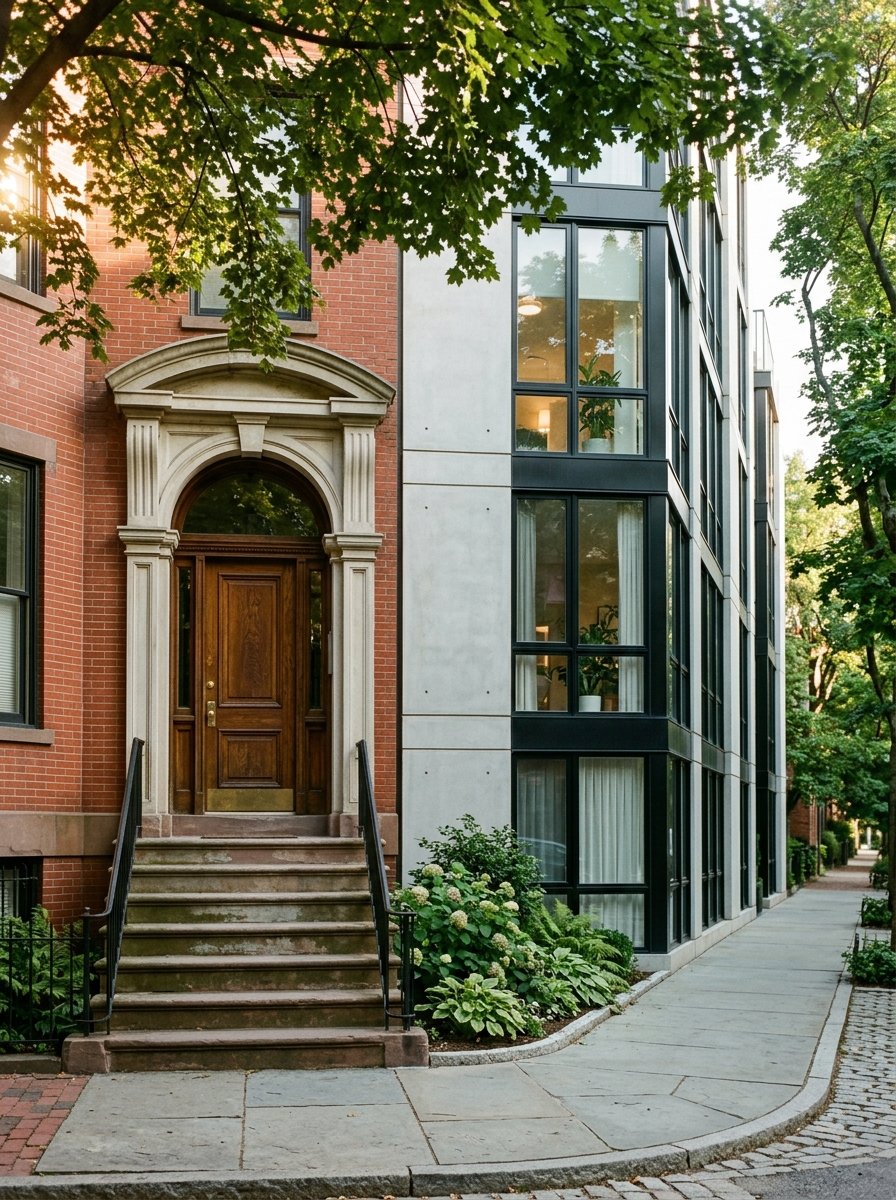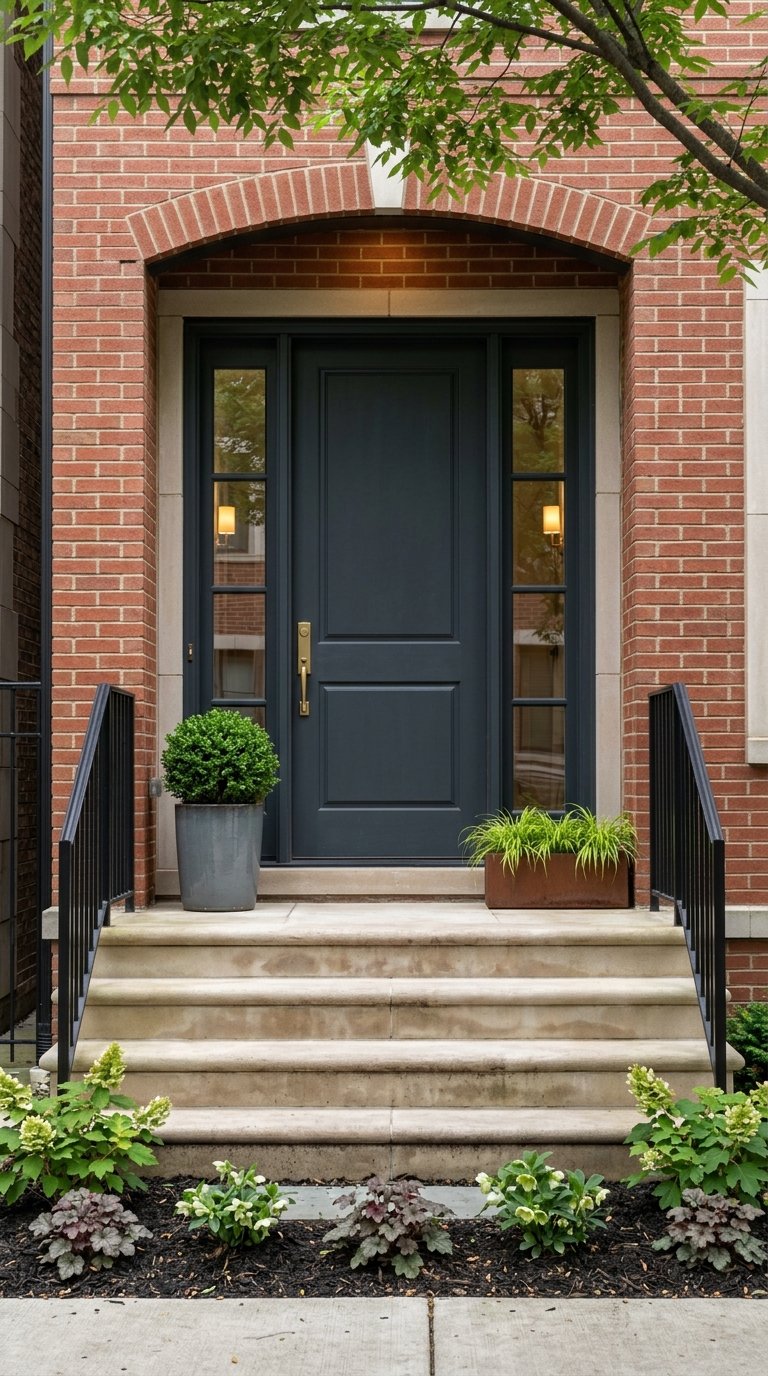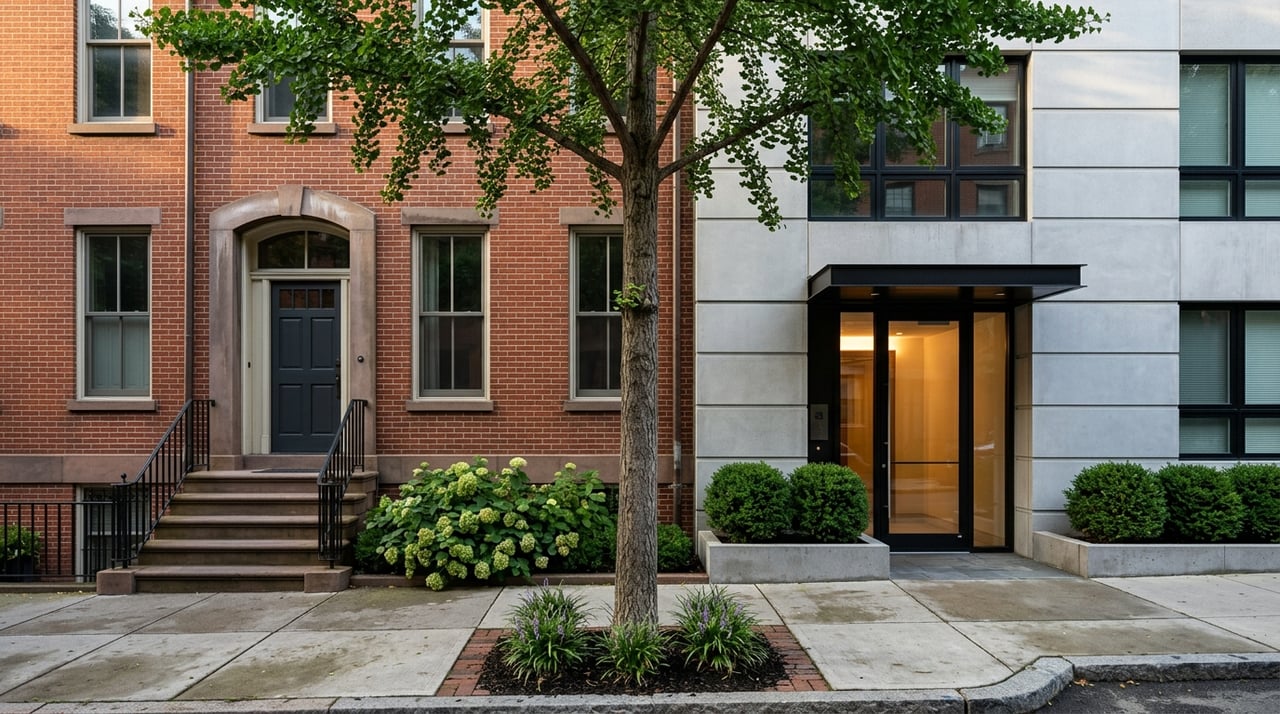
If you are deciding between a condo and a townhome near The Wharf, the choice can feel simple at first glance. One seems easier to maintain, the other seems to offer more privacy and space. But in Southwest DC, the real difference often comes down to ownership structure, monthly costs, flood exposure, and resale factors that are not always obvious on a listing sheet. Let’s break it down.
Why this choice matters near The Wharf
The Wharf is one of Southwest DC’s best-known waterfront destinations, with Metro access, a free Southwest Shuttle, water taxi service, bike facilities, and more than 17 acres of parks and public spaces. That makes it appealing if you want a connected, walkable lifestyle close to the water.
It also shapes the housing mix. Near The Wharf, condos are far more common than townhomes right now. Current listing counts in Southwest Waterfront show about 112 condos compared with 19 townhomes, so your options, price points, and competition can look very different depending on which property type you target.
Ownership matters more than appearance
A townhome look does not guarantee townhome ownership
One of the biggest mistakes buyers make is assuming the exterior tells the whole story. A home may look like a townhouse from the street but still be legally organized as a condo.
That matters because the legal setup affects your monthly fees, insurance structure, maintenance responsibilities, and financing. Near The Wharf, you should always look beyond the facade and confirm whether the property is a condo, a fee-simple townhome, or a townhome-style home inside a condo or HOA structure.
Condo ownership is more shared
With a condo, you own your individual unit and share ownership of common areas with other owners. That usually means a required monthly condo fee, and that fee may cover exterior maintenance, common areas, water, sewer, trash, insurance, amenities, or reserve funding.
This setup can make day-to-day ownership feel simpler. But it also means the building’s financial health and management decisions can directly affect your costs and resale position.
Townhome ownership can still include shared rules
A townhome often appeals to buyers who want a more house-like setup. You may get more separation, a direct entrance, or a layout that feels more self-contained.
Still, you should not assume a townhome means no shared obligations. Some townhome-style properties still fall under an HOA or planned community structure, which can include shared insurance, maintenance rules, and monthly dues.
Condos near The Wharf: what they do well
More inventory and more lifestyle access
If you want the broadest set of choices near The Wharf, condos will likely give you more options. The area’s residential lineup is heavily condo-oriented, including well-known properties such as Amaris, VIO, and 525 Water.
That larger inventory can help if you want to compare finishes, views, amenities, and monthly costs across multiple buildings. It can also be helpful if you want a lower entry price than many townhome options in the same general area.
Lower-maintenance living
Many condo buyers are drawn to convenience. In a typical condo setup, exterior upkeep and common-area maintenance are handled by the association, which can reduce the amount of hands-on work you manage personally.
Near The Wharf, that can pair well with the neighborhood’s built-in amenities. Even if you do not have a private yard, you may still enjoy access to parks, public spaces, terraces, courtyards, rooftops, or pools depending on the building.
Strong fit for waterfront urban living
If your priority is location, access, and ease, condos often line up well with how people use this part of Southwest DC. You can focus more on the surrounding lifestyle and less on maintaining a larger property footprint.
For many buyers, that trade-off is worth it. You may give up some private outdoor control, but gain easier access to the neighborhood experience that makes The Wharf attractive in the first place.
Townhomes near The Wharf: what they do well
More self-contained space
Townhomes often appeal to buyers who want a layout that feels more like a traditional home. You may find more interior square footage, more separation between living spaces, or features like multiple levels and direct-entry living.
That can be especially appealing if you work from home, want more room to spread out, or simply prefer a more independent feel. For some buyers, that extra separation is the deciding factor.
A different privacy experience
Privacy can be one of the biggest reasons buyers lean toward townhomes. Depending on the property, you may have fewer shared walls in key living areas, a private entrance, or dedicated outdoor space such as a patio, deck, or roof area.
But this is where details matter. In Southwest DC, outdoor access and ownership rights vary a lot by property, so you need to verify exactly what is private, limited, shared, or controlled by an association.
A smaller pool of choices
The downside is supply. With only about 19 townhome listings compared with roughly 112 condos in the current Southwest Waterfront search, your search may take longer and your choices may be narrower.
Price variation can also be wide. Recent Southwest Waterfront sales included a 2,400-square-foot rowhouse at $1.183 million and a 533-square-foot condo at $230,000, which shows how much size, property type, and ownership structure can change the numbers.
Compare the monthly costs carefully
A lower list price does not always mean a lower monthly payment. This is especially important when you compare condos with townhomes near The Wharf.
Condo fees are usually paid separately from the mortgage, and they can cover important line items like exterior maintenance, water, sewer, trash, amenities, insurance, and reserves. That means a condo with a lower purchase price could still carry a higher monthly ownership cost than you expect.
Townhomes may have fewer shared costs in some cases, but they can still come with HOA dues and separate maintenance responsibilities. Instead of comparing list price alone, compare your likely total monthly carry.
Financing and resale can differ more than buyers expect
Condo financing includes the project
When you finance a condo, lenders often look at more than your unit. They may also review the project’s master insurance, reserve strength, replacement coverage, deductibles, and whether there are unresolved structural or legal issues.
This is one of the biggest practical differences between condos and townhomes. A condo’s financeability and resale can be affected by association-level issues that have nothing to do with your kitchen, view, or floor plan.
Association health matters for condo value
Fannie Mae specifically notes that association decisions can affect condo values. Buyers should pay attention to building condition, reserve funding, special assessments, insurance coverage, and whether the project has broader issues that could affect lending.
That does not mean condos are a bad choice. It means your due diligence needs to go beyond finishes and staging.
Townhomes can be simpler, but not automatically
Townhomes may feel more straightforward from a lending and resale perspective, especially if the ownership structure is simpler. But if the property is part of an HOA or planned community, you still need to review documents carefully.
In other words, do not assume one property is easier just because it looks more house-like. Near The Wharf, document review is essential either way.
Flood risk should be part of your decision
Because The Wharf sits in a waterfront setting, flood exposure is an important ownership consideration. The Wharf states that the site and seawall were elevated so newly constructed buildings are at least three feet above the 100-year flood level.
That is helpful context, but it does not remove the need for property-level due diligence. Current neighborhood data labels Southwest Waterfront as a major flood-risk area, with 70 percent of properties at risk of severe flooding over the next 30 years.
If a property is in a high-risk flood zone and you use a government-backed mortgage, flood insurance may be required. Even when it is not required, checking flood exposure, insurance obligations, and how coverage is handled at the building or property level is a smart step before you commit.
DC property taxes apply to both categories
In DC, the Class 1 residential real property tax rate is $0.85 per $100 of assessed value. For qualifying owner-occupied homes, the homestead deduction reduces assessed value by $91,950 for tax year 2026.
That is relevant whether you buy a house or a condominium unit as your primary residence. It is one more reason to compare total ownership cost, not just purchase price.
Which option may fit you better?
A condo may fit if you want:
- More inventory near The Wharf
- Lower-maintenance ownership
- Access to shared amenities and outdoor spaces
- A more urban, lock-and-leave lifestyle
- A potentially lower entry price than many townhomes
A townhome may fit if you want:
- More self-contained living space
- A more independent, house-like feel
- More direct-entry privacy
- Potentially more dedicated outdoor use, depending on the property
- A layout better suited to multilevel living or work-from-home needs
What to verify before you tour
Before you fall in love with finishes, verify the factors that most affect affordability and resale. In this area, those items often matter more than appliances or paint colors.
Use this checklist
- Confirm whether the property is a condo, a true townhome, or a townhome-style condo
- Review monthly fees and what they cover
- Ask about reserve strength
- Check for special assessment history
- Review master insurance where applicable
- Understand flood insurance exposure
- Ask whether there are unresolved structural or legal issues affecting the project
- Confirm how the ownership structure may affect financing
The bottom line on condos versus townhomes near The Wharf
There is no one-size-fits-all winner near The Wharf. Condos tend to offer more choices, easier upkeep, and a lifestyle that matches the neighborhood’s waterfront, amenity-rich setting. Townhomes can offer more space and a more self-contained feel, but there are fewer of them and the ownership details still need close review.
The right choice usually comes down to how you want to live, what monthly costs you are comfortable carrying, and how much association risk or maintenance responsibility you want to take on. If you compare legal structure, fees, financing, flood exposure, and resale factors before you buy, you will make a much stronger decision.
If you want help comparing condo and townhome options in Southwest DC with a clear, data-backed strategy, connect with Francisco Hoyos for expert guidance tailored to your goals.
FAQs
What is the main difference between a condo and a townhome near The Wharf?
- The biggest difference is often the ownership structure, not the exterior look. A condo usually includes shared ownership of common areas and monthly condo fees, while a townhome may offer a more house-like setup but can still include HOA obligations.
Are condos more common than townhomes in Southwest DC near The Wharf?
- Yes. Current Southwest Waterfront listing counts show about 112 condos versus 19 townhomes, so condos are much more plentiful near The Wharf right now.
Do condo fees near The Wharf usually cover more than maintenance?
- Often, yes. Condo fees may cover exterior maintenance, common areas, water, sewer, trash, amenities, insurance, and reserve funding, depending on the building.
Is flood risk important when buying near The Wharf in Southwest DC?
- Yes. Flood exposure is an important part of the cost and risk picture in this waterfront area, and some properties may require flood insurance depending on the loan type and flood zone.
Do DC property taxes treat condos and houses differently for owner-occupants?
- Qualifying owner-occupied buyers in either category may benefit from the DC homestead deduction, and the Class 1 residential tax rate applies to residential real property based on assessed value.
What should you review before buying a condo or townhome near The Wharf?
- Focus on property type, monthly fees, reserve strength, special assessments, insurance structure, flood exposure, and any project-level issues that could affect financing or resale.