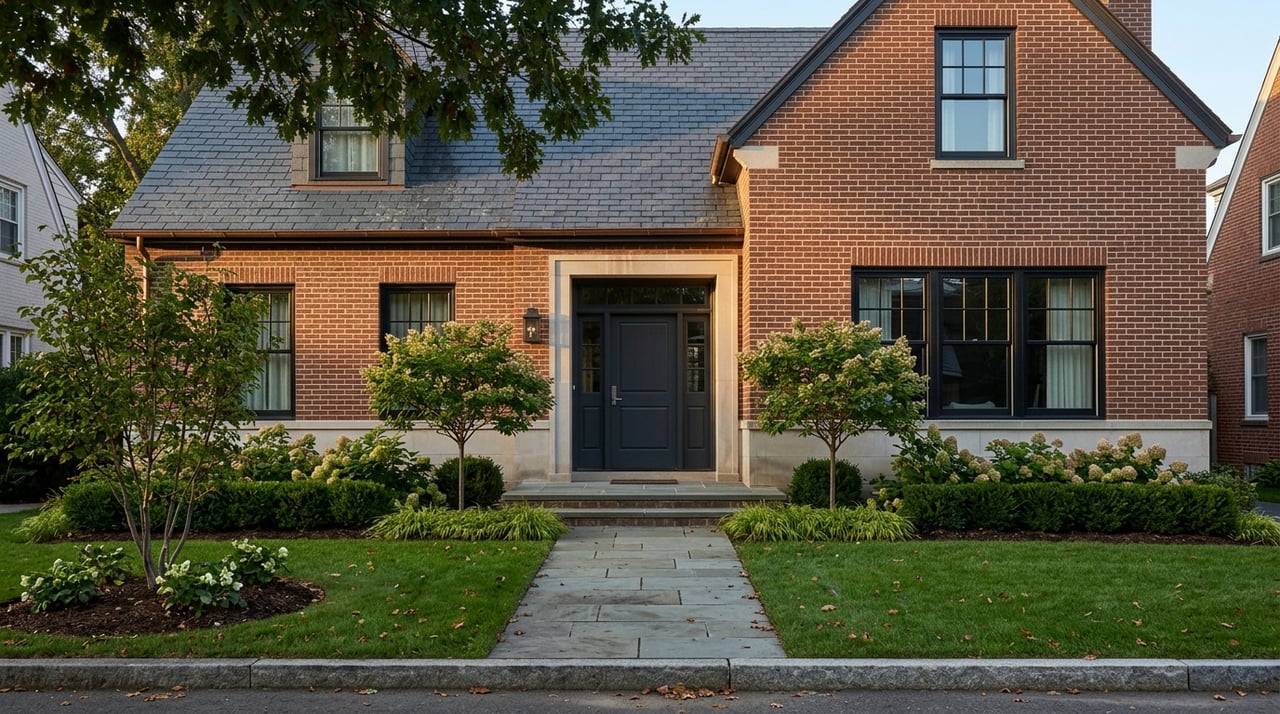
If you own an older home in Chevy Chase, you may be asking a smart question: how much should you update before you sell? Buyers still love charm, original details, and established homes, but many also want a property that feels clean, cared for, and ready for modern life. The good news is that you do not need to erase your home’s character to make it more appealing. You just need a clear plan that balances preservation, presentation, and return on investment. Let’s dive in.
Why preparation matters in Chevy Chase
Chevy Chase Village describes itself as a historic community created in 1890 and incorporated in 1951. That history is part of the appeal, but it also shapes buyer expectations. In many cases, your home is competing on two levels at once: timeless character and present-day condition.
That balance matters more than ever. According to NAR’s 2025 Remodeling Impact Report, 46% of buyers were less willing to compromise on home condition. For sellers, that means deferred maintenance, dated finishes, or a tired presentation can stand out quickly.
Presentation also carries real weight. NAR’s 2025 Profile of Home Staging found that 83% of buyers’ agents said staging made it easier for buyers to visualize the property as a future home, and 49% of sellers’ agents said staging reduced time on market. In other words, buyers are not just evaluating your home on paper. They are reacting to how it feels the moment they see photos or walk through the front door.
Start with repair triage
Before you pick paint colors or shop for light fixtures, step back and assess what truly needs attention. The goal is to separate essential repairs from cosmetic refreshes and from larger projects that may not make sense before listing.
For an older Chevy Chase home, the first category usually includes roof concerns, moisture issues, worn exterior elements, and anything that makes the house feel poorly maintained. Buyers tend to notice these issues quickly, and they can overshadow the home’s best features.
After that, look at the visible items that affect first impressions. Scuffed paint, dated hardware, stained surfaces, and worn flooring can make an otherwise solid home feel heavier and older than it is. A focused refresh often goes farther than a major remodel.
Focus on what buyers notice first
NAR reports that sellers are most often advised to paint the entire home, paint one room, and address roofing. Demand has also increased for kitchen upgrades, new roofing, and bathroom renovations. That does not mean you need a full luxury renovation. It means buyers are paying attention to the spaces and systems that affect daily life.
A good rule is simple: fix what signals neglect, then refresh what buyers see immediately. That sequence protects your budget and improves your home’s market appeal without overbuilding for the sale.
Know which updates need permits
One of the biggest mistakes sellers make with older homes is starting work without understanding permit rules. In Montgomery County, many cosmetic tasks do not need a permit if no structural changes are involved. That includes painting, wallpapering, replacing countertops or faucets, and installing flooring.
The county’s no-permit list also includes roof covering only, siding, storm windows replaced in-kind, and windows or doors replaced without changing the opening size. That can make pre-listing preparation easier when your work is mostly cosmetic or like-for-like.
Larger changes are different. Reconstruction, additions, and altered openings generally require permits. If you are thinking about changing the layout, enlarging a window opening, or making more substantial exterior changes, check the rules before work begins.
Historic rules may apply
For some Chevy Chase properties, permit review is only part of the picture. If your home is historic or located in a historic district, exterior alterations, additions, demolition, and changes to exterior features require an approved Historic Area Work Permit.
Montgomery County exempts ordinary maintenance, exterior repair, and landscaping with no material effect, but changes that affect the exterior appearance can trigger review. Montgomery Planning’s GIS tool can help confirm whether a property is historic or within a district.
There is also a disclosure requirement. Montgomery County code requires sellers to disclose if a property is listed as a historic resource on the county’s historic inventory before the buyer signs a contract. For an older Chevy Chase home, that can affect both how the property is presented and what buyers should expect about future alterations.
Preserve character while updating wisely
The most effective pre-sale updates for an older Chevy Chase home usually do not involve stripping out the details that make it special. In fact, Montgomery County’s historic preservation standards emphasize keeping historic character, repairing deteriorated features rather than replacing them, and matching replacement features in design, color, texture, and, where possible, materials.
That means original trim, hardwood floors, stair details, built-ins, and façade elements may be worth preserving if they are still sound. Buyers drawn to older homes often respond to these details when they are clean, functional, and well presented.
The smarter strategy is often selective modernization. Refresh the home so it lives better today, but do it in a way that still feels consistent with the architecture.
The updates with strong resale logic
NAR’s 2025 Remodeling Impact Report points to strong estimated resale cost recovery on smaller, visible projects. Highlights include:
- New steel front door: 100%
- Closet renovation: 83%
- New fiberglass front door: 80%
- New vinyl windows: 74%
- New wood windows: 71%
- Basement conversion: 71%
- Attic conversion: 67%
- Complete kitchen renovation: 60%
- Minor kitchen upgrade: 60%
- Bathroom addition: 56%
- New primary suite: 54%
- Bathroom renovation: 50%
For many Chevy Chase sellers, the takeaway is not to chase the biggest project. It is to prioritize updates that are visible, practical, and aligned with the home’s style.
Where to spend before listing
In many cases, the best use of your budget includes:
- Repairing roof or moisture-related issues
- Painting walls in a clean, cohesive palette
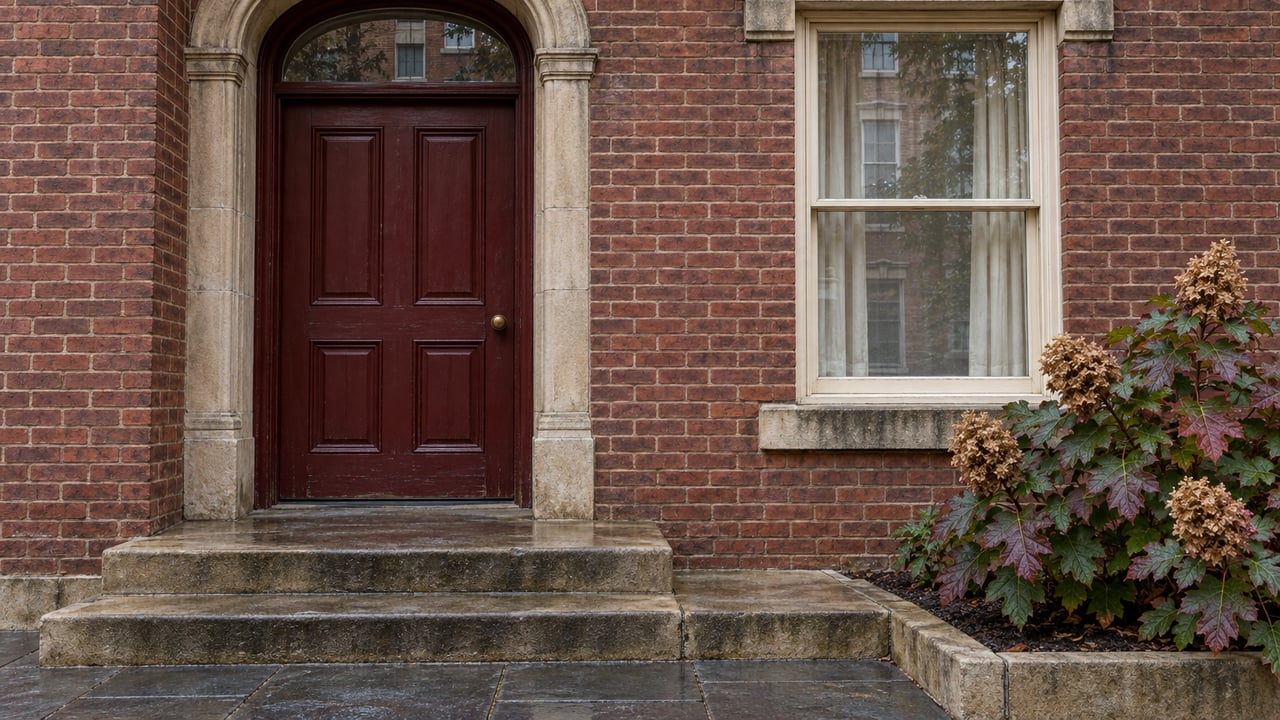
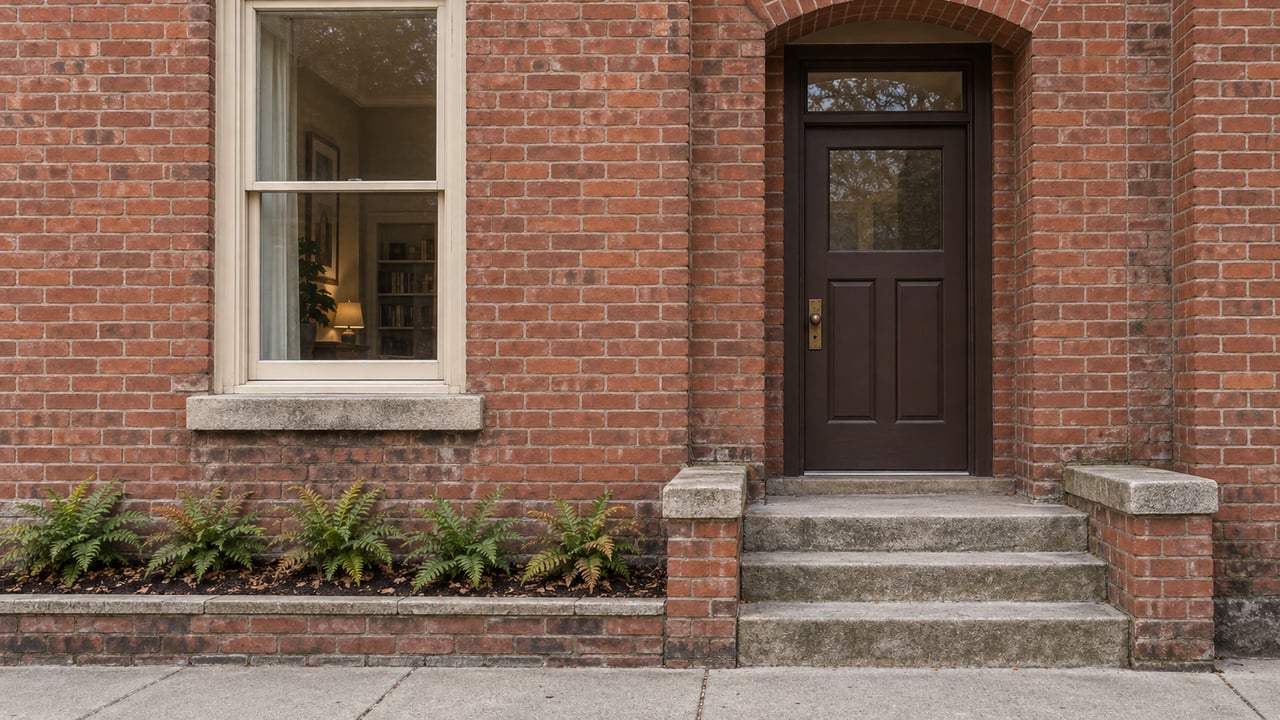
- Refreshing the front entry and door hardware
- Making restrained kitchen and bath updates
- Improving storage, closets, and lighting
- Preserving quality original features instead of replacing them unnecessarily
This approach fits both NAR’s emphasis on modest, high-recovery projects and Montgomery County’s preservation standards. It also helps your home feel authentic rather than over-renovated.
Make curb appeal do more work
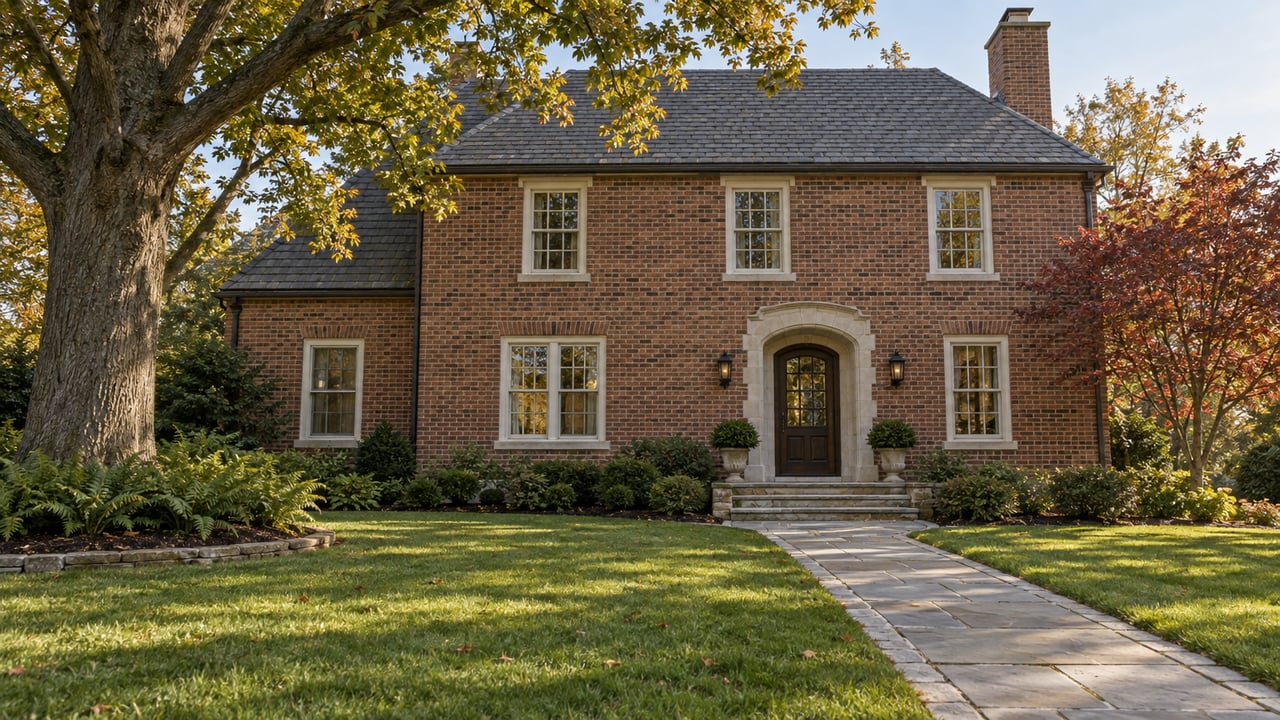
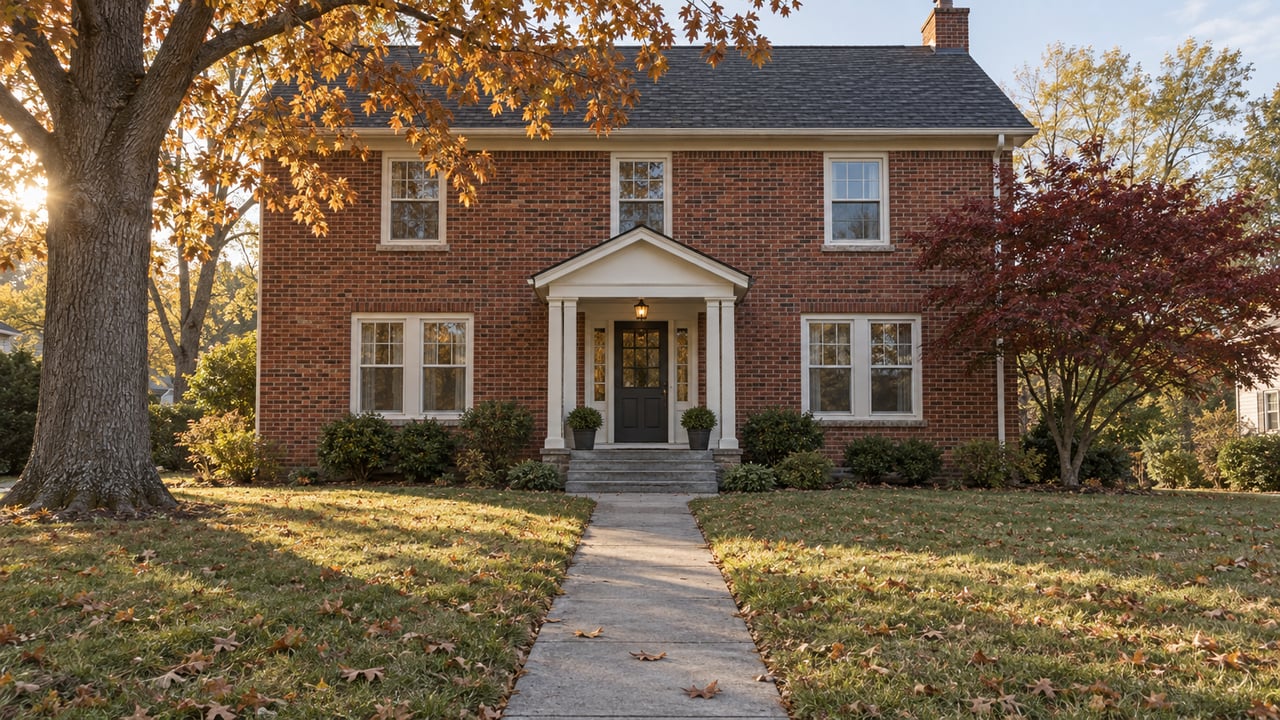
Buyers often form their first impression before they ever step inside. That is especially true in Chevy Chase, where mature streetscapes and historic architecture create a strong visual context. If your home looks tidy, maintained, and welcoming from the street, buyers are more likely to assume the interior has been cared for too.
NAR found that the most common seller improvements were decluttering, cleaning the entire home, and improving curb appeal. For an older home, curb appeal does not need to mean a full exterior overhaul. It often means visible maintenance and a polished entry sequence.
Simple exterior improvements that matter
Focus on the details buyers will notice right away:
- Clean up landscaping and walkways
- Refresh the front door or hardware
- Touch up peeling paint where appropriate
- Make sure exterior lighting works
- Remove visual clutter from porches and entry areas
- Address any worn or obviously deferred exterior maintenance
These updates support stronger listing photos and a better showing experience. They also help your home feel move-in ready without changing its identity.
Stage for the way buyers shop now
Today’s buyers often meet your home online first. That means staging is not just about open houses. It is about photography, video, and the full first impression your listing creates.
NAR says the most important rooms to stage are the living room, primary bedroom, and kitchen. The same report found that photos, physical staging, videos, and virtual tours are all highly important, and that the median cost for a staging service was $1,500, compared with $500 when the seller’s agent handled staging themselves.
For many older homes, staging helps bridge the gap between classic architecture and modern buyer expectations. It clarifies how rooms live, softens awkward layouts, and helps buyers focus on space and lifestyle rather than age.
Start with the basics
NAR found that the most common seller recommendations were:
- Decluttering
- Cleaning the entire home
- Improving curb appeal
Those basics matter because they make every other improvement work harder. Once the home is clean and edited, staged furniture and styling can highlight scale, flow, and function much more effectively.
Follow a smart preparation timeline
If you have time before listing, a practical sequence can keep the process from becoming overwhelming. It can also help you avoid wasted effort or delays.
A strong one-year preparation sequence is:
- Inspect early
- Separate permit-triggering work from simple cosmetic work
- Verify any historic or municipal approvals before contractors start
- Complete the highest-ROI visible repairs first
- Declutter, clean, and stage after the work is done
- Photograph and launch only when the presentation is fully polished
This order aligns with Montgomery County permit rules and with NAR’s findings on ROI and staging impact. It also gives you more control over budget, contractor coordination, and timing.
Hire carefully if contractors are involved
Montgomery County says homeowners may apply for certain permits if they are the property owner, but if a contractor is performing the work, the contractor should be listed on the permit and must have an MHIC license.
If you are coordinating several trades, it helps to compare options before you commit. NAR’s contractor guide recommends seeking referrals and interviewing at least three contractors. That extra step can be especially useful when you are balancing budget, timing, and quality before a sale.
The goal is not perfection
Preparing an older Chevy Chase home for today’s buyer is not about making it brand new. It is about making it feel well cared for, easy to understand, and ready for the next owner.
When you focus on condition, preserve meaningful original features, and invest in the updates buyers notice most, you give your home a better chance to stand out. That is often where the best results come from: thoughtful preparation, strong presentation, and a clear strategy built around your specific property.
If you are thinking about selling in Chevy Chase and want a smart plan for updates, staging, and pricing, Francisco Hoyos can help you prepare your home for the market with a clear, results-focused approach.
FAQs
What updates matter most before selling an older Chevy Chase home?
- The highest-impact updates are usually visible repairs, paint, roof or moisture fixes, front entry improvements, and restrained kitchen or bathroom refreshes that preserve the home’s character.
Do I need a permit for cosmetic work in Montgomery County?
- Many cosmetic projects do not need a permit if they do not involve structural changes, including painting, wallpapering, replacing countertops or faucets, and installing flooring.
When does a Historic Area Work Permit apply in Chevy Chase?
- If your property is historic or located in a historic district, exterior alterations, additions, demolition, and changes to exterior features generally require an approved Historic Area Work Permit.
Should I replace original features in an older Chevy Chase house?
- Not always. If original trim, floors, built-ins, stair details, or façade elements are still sound, preserving or repairing them may better support the home’s character and market appeal.
Is staging worth it for an older home in Chevy Chase?
- Yes. NAR found that 83% of buyers’ agents said staging made it easier for buyers to visualize the property as a future home, and 49% of sellers’ agents said staging reduced time on market.