Trying to choose between a newer build and a classic home in Bethesda? You are not alone. In a market where both options are easy to find and home values are high, the right choice often comes down to how you want to live, what level of upkeep you can handle, and how much flexibility you want after closing. This guide will help you compare newer and older homes in Bethesda so you can make a smarter, more confident decision. Let’s dive in.
Why This Choice Matters in Bethesda
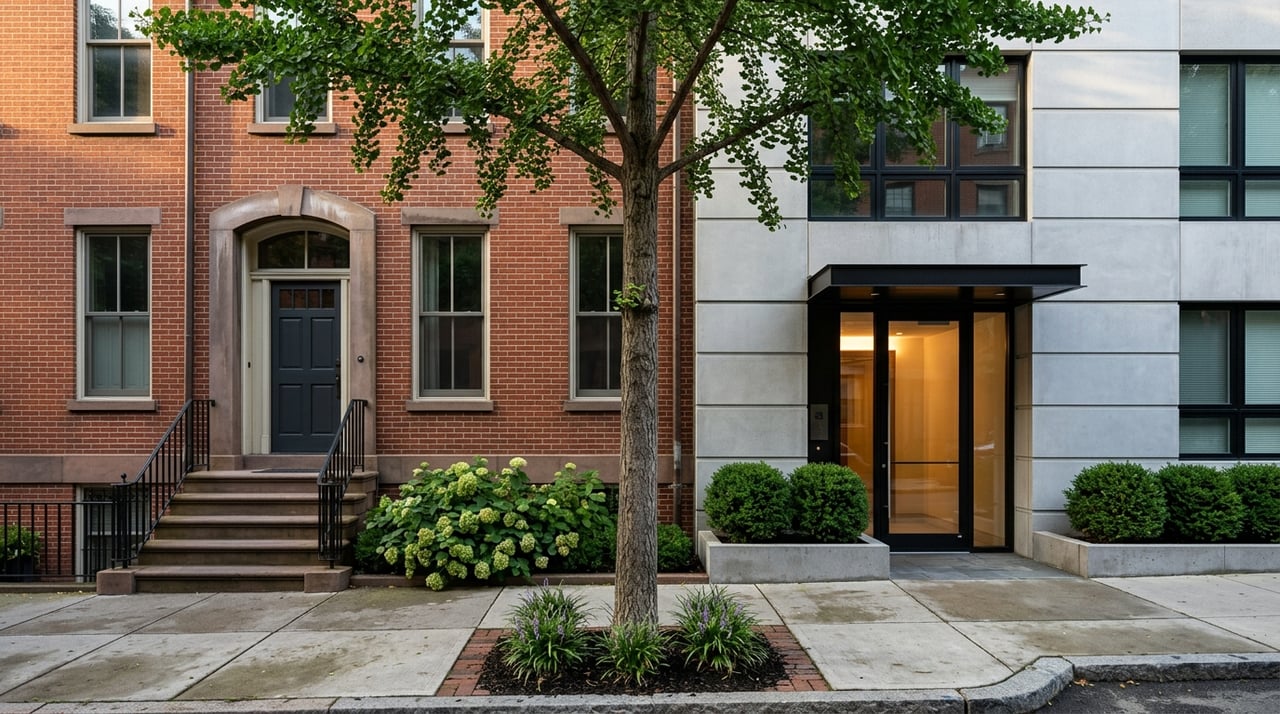
Bethesda gives you a real mix of housing types, which is part of why this decision matters so much. In 2024, Bethesda had 30,878 housing units, with 51.8% detached single-family homes and 41.3% in buildings with 20 or more units. That means buyers are often weighing traditional houses in established residential areas against newer condo and townhome options in denser parts of the market.
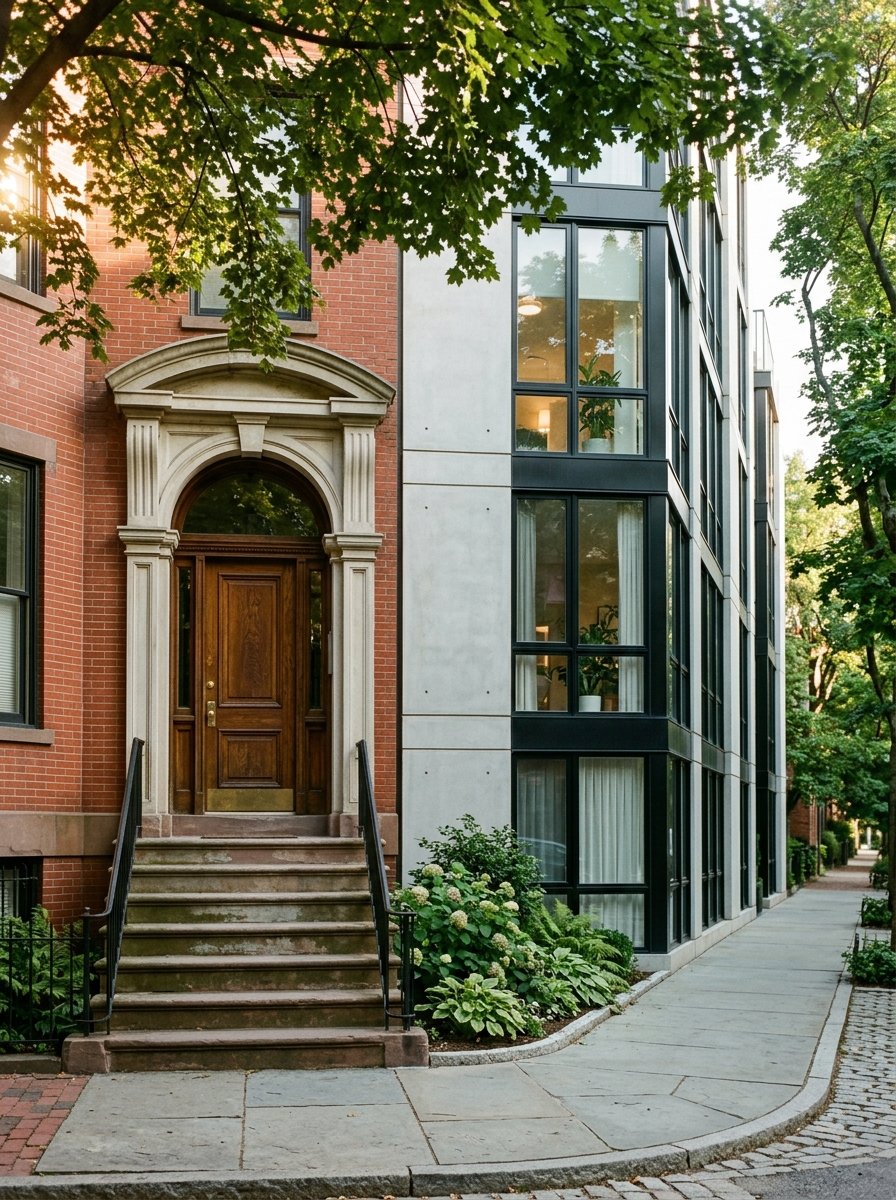
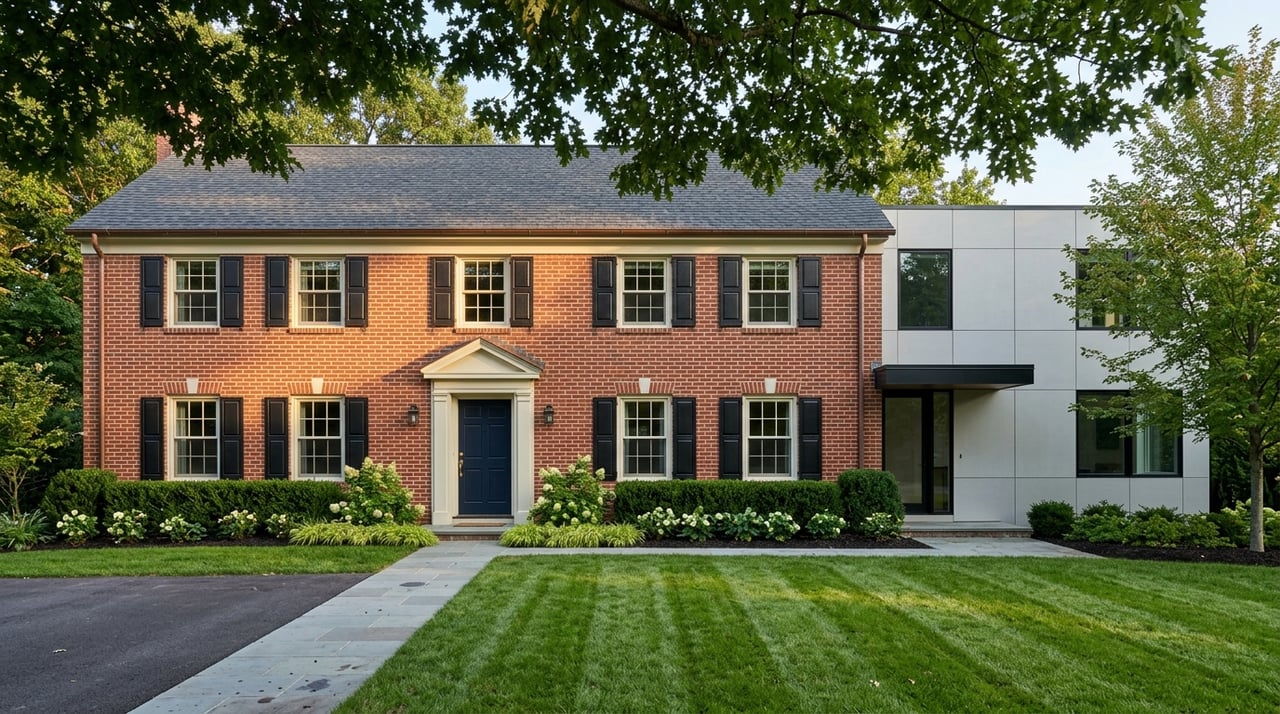
The age of Bethesda housing stock is also split in a meaningful way. About 35.5% of housing units were built before 1960, while 29.2% were built in 2000 or later, and 14.7% were built in 2010 or later. Compared with Montgomery County overall, Bethesda has both a stronger classic-home base and a stronger newer-build segment.
That mix creates real opportunity, but it also creates tradeoffs. In Bethesda, your decision is usually not just about square footage or price. It is also about layout, efficiency, maintenance, renovation plans, and the kind of daily setting you want.
Newer Builds in Bethesda
Newer homes in Bethesda often appeal to buyers who want convenience and a more current feel. While floor plans vary from property to property, newer construction commonly lines up with what many buyers want today: more open living areas, larger primary suites, and more flexibility for work or guests.
Bethesda’s housing data supports the idea that larger homes are a notable part of the market. The median home has 6.4 rooms, 35.1% have 9 or more rooms, and 20.5% have 5 or more bedrooms. Those figures are all higher than Montgomery County overall, which helps explain why many buyers in Bethesda can find homes that offer more room to spread out.
For some buyers, the biggest advantage of a newer build is simplicity. If you want a home that feels move-in ready and may need fewer immediate updates, newer construction often checks that box.
What buyers often like about newer homes
- More open main living spaces
- Larger bedroom and bathroom layouts
- Features that may support work-from-home needs
- Less need for immediate renovation
- Building systems that are more likely to align with current standards
Classic Homes in Bethesda
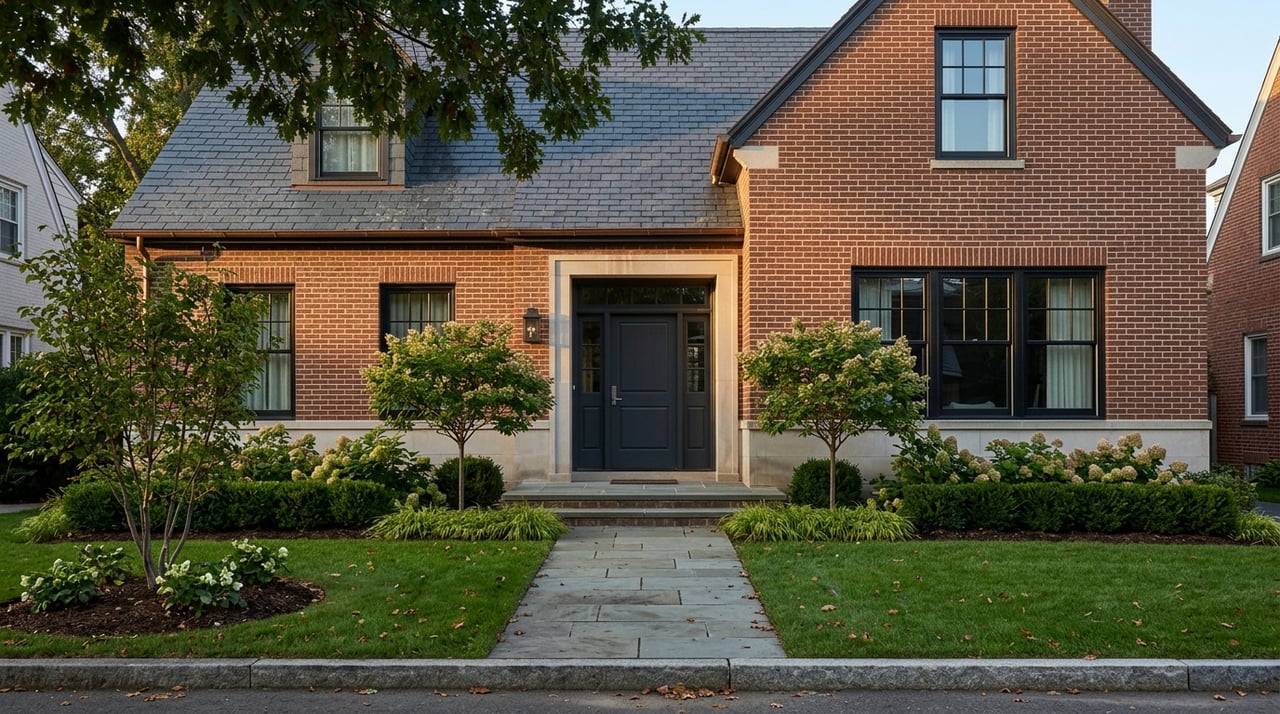
Classic homes are a major part of Bethesda’s identity. Since more than a third of housing units were built before 1960, you will see plenty of older homes that reflect the area’s long-established residential character.
These homes often attract buyers who value charm, mature landscaping, and a more settled neighborhood feel. Older Bethesda homes may also have more formal room separation, which some buyers prefer for privacy, entertaining, or distinct living zones.
That said, older homes are not all the same. Some have been fully updated, while others may still need major work. When you are touring a classic home, it helps to focus less on age alone and more on how the home functions for your daily life.
What to evaluate in a classic home
- Whether the layout feels connected or segmented
- Amount of storage space
- Number and location of bathrooms
- Age and condition of major systems
- Renovation potential based on the home’s condition
Layout and Everyday Function
One of the biggest differences between newer and older homes is how the space feels when you live in it. Newer homes often support a more casual flow between kitchen, dining, and living areas. That can be helpful if you host often, need flexible family space, or want better sight lines across the main floor.
Classic homes can feel more defined room by room. In some cases, that means more privacy and quieter spaces for work, reading, or separate activities. In other cases, it can mean a layout that feels less flexible than what you want today.
The best way to compare is to think in practical terms. Ask yourself how much you care about home office options, storage, bedroom count, bathroom count, and how connected the main living areas feel.
Energy Efficiency and Utility Costs
Energy performance is another key difference. Maryland’s current building code structure uses the 2021 International Energy Conservation Code for local enforcement, which means newer homes are more likely to start with stronger insulation, air sealing, windows, and HVAC performance than older housing stock.
For buyers who want lower day-one efficiency concerns, that can be a real advantage. A newer home may offer a better baseline for comfort and operating costs simply because it was built under more current standards.
Classic homes can still improve significantly, but they often need targeted upgrades. According to ENERGY STAR, nearly half of home energy use goes to heating and cooling, and replacing old, drafty windows with ENERGY STAR certified windows lowers household energy bills by an average of 12%.
Where older homes may need efficiency upgrades
- Insulation n- Air sealing
- Window replacement
- HVAC servicing or replacement
- Filter changes and ongoing system maintenance
The takeaway is simple. Newer homes often begin closer to current efficiency expectations, while older homes may offer room for meaningful improvement if you are willing to invest in updates.
Maintenance and Repair Expectations
Many buyers assume newer means maintenance-free, but every home needs regular care. Even in a newer property, HVAC service, filter replacement, caulking, and exterior upkeep still matter. ENERGY STAR notes that neglected coils and filters can reduce comfort, raise energy use, and shorten equipment life.
With classic homes, maintenance risk is often more immediate and less predictable. Roofs, windows, plumbing, electrical systems, and HVAC equipment may all deserve closer review. A home that looks appealing on the surface may still carry major replacement costs.
This is where your budget should go beyond the purchase price. If you are comparing a turnkey newer home with an older home that needs systems work, the lower upfront price of the classic property may not tell the whole story.
Renovation Potential and Historic Review
For some buyers, an older home is exciting because it offers the chance to personalize and improve it over time. That can be a smart path if you want character and are comfortable planning upgrades.
But in Bethesda, renovation plans should include a check on historic status. If a property is listed on Montgomery County’s Master Plan for Historic Preservation, exterior work, new construction, demolition, and exterior alterations require Historic Area Work Permit review. Interior work and ordinary exterior maintenance generally do not.
That does not mean you should avoid older homes. It simply means you should understand renovation limits and review requirements before you buy, especially if your vision includes major exterior changes.
Neighborhood Setting and Lifestyle Fit
Your choice may also come down to where each type of home tends to be located. Montgomery Planning describes Bethesda-Chevy Chase as a collection of neighborhoods bordering northwest Washington, D.C. and along the Potomac River, with parks and the Capital Crescent Trail. Downtown Bethesda is described as a walkable, mixed-use district, with a busier core surrounded by quieter residential neighborhoods.
That pattern helps explain why newer and older homes can feel so different. Newer construction is more likely to cluster near downtown, transit, and redevelopment corridors, where convenience and walkability are strong. Classic homes are more often associated with mature trees, established streetscapes, and a quieter residential rhythm.
Neither option is automatically better. It depends on whether you value easy access and a lower-maintenance lifestyle more, or if you are drawn to long-established surroundings and the feel of an older home.
Budget Context in Bethesda
In Bethesda, this decision also plays out against a high-value market. In 2024, the median value of owner-occupied homes in Bethesda was $1,247,600, compared with $640,300 in Montgomery County overall.
That makes it especially important to think beyond list price. A newer home may cost more upfront but require fewer immediate upgrades. An older home may offer a different value equation, but renovation and system replacement costs can change the math quickly.
When you compare options, look at total ownership cost, not just purchase cost. That includes likely repairs, efficiency upgrades, renovation goals, and how long you plan to stay in the home.
Which Option Makes More Sense for You?
If you want turnkey living, flexible layouts, and fewer near-term projects, a newer build may be the better fit. If you value character, mature surroundings, and the opportunity to shape a home over time, a classic Bethesda home may be more appealing.
In most cases, the best choice is not about which category wins. It is about which home fits your budget, daily routine, and tolerance for updates. In Bethesda, both paths can make sense when you go in with clear expectations.
If you are weighing newer construction against a classic home in Bethesda, working with an agent who understands neighborhood differences, housing stock, and long-term value can make the decision much easier. If you want help comparing options and narrowing in on the right fit, reach out to Francisco Hoyos.
FAQs
Should you buy a newer build or older home in Bethesda?
- If you want better day-one efficiency, more modern layouts, and fewer immediate projects, a newer build may fit better. If you want character, mature surroundings, and renovation potential, an older home may be the stronger match.
Are older homes common in Bethesda?
- Yes. In 2024, 35.5% of Bethesda housing units were built before 1960, which gives buyers a substantial supply of classic homes to consider.
Are newer homes in Bethesda more energy efficient?
- In many cases, yes. Newer homes are more likely to reflect current Maryland code standards for insulation, air sealing, windows, and HVAC performance.
What should you check before buying a classic Bethesda home?
- Focus on the condition and age of the roof, windows, plumbing, electrical systems, and HVAC, along with the home’s layout, storage, and bathroom count.
Can you renovate an older home in Bethesda without restrictions?
- Not always. If a property is on Montgomery County’s Master Plan for Historic Preservation, certain exterior changes require Historic Area Work Permit review, while interior work and ordinary exterior maintenance generally do not.
Is Bethesda a high-value housing market?
- Yes. In 2024, the median value of owner-occupied homes in Bethesda was $1,247,600, which is much higher than the Montgomery County median of $640,300.