Trying to choose between Old Town and the West End in Alexandria? At first glance, both are part of the same city, but they can feel very different in daily life. If you are deciding where to live, buy, or sell, understanding how each area functions can help you focus on the fit that matches your routine, housing goals, and commute. Let’s dive in.
Old Town and West End at a Glance
Old Town and the West End stand apart in how the City of Alexandria describes them. Old Town is Alexandria’s historic urban core and original city site, while the West End is more often discussed through redevelopment, transportation planning, and future growth.
That difference matters because it shapes what you experience day to day. In simple terms, Old Town tends to offer a preserved, pedestrian-oriented setting, while the West End offers a more modern, evolving environment with larger redevelopment projects and transit-focused planning.
Old Town Lifestyle
Old Town is the part of Alexandria most closely tied to the city’s early history. Much of the area sits within local and national historic district boundaries, and the city notes that more than 200 Alexandria structures were built before 1820, with most of them located in Old Town.
For you, that often translates into a distinct sense of place. The streetscape, architecture, and block pattern create an older-city feel that is hard to replicate in newer parts of the region.
Historic character shapes daily life
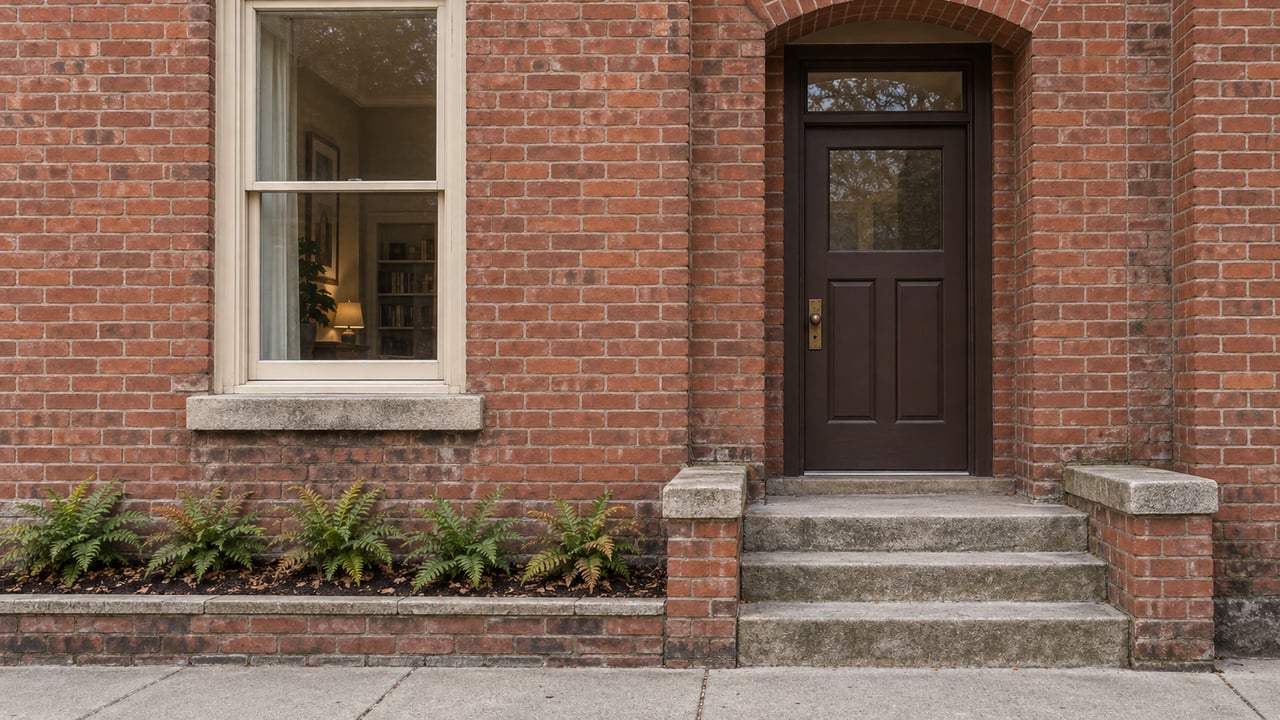
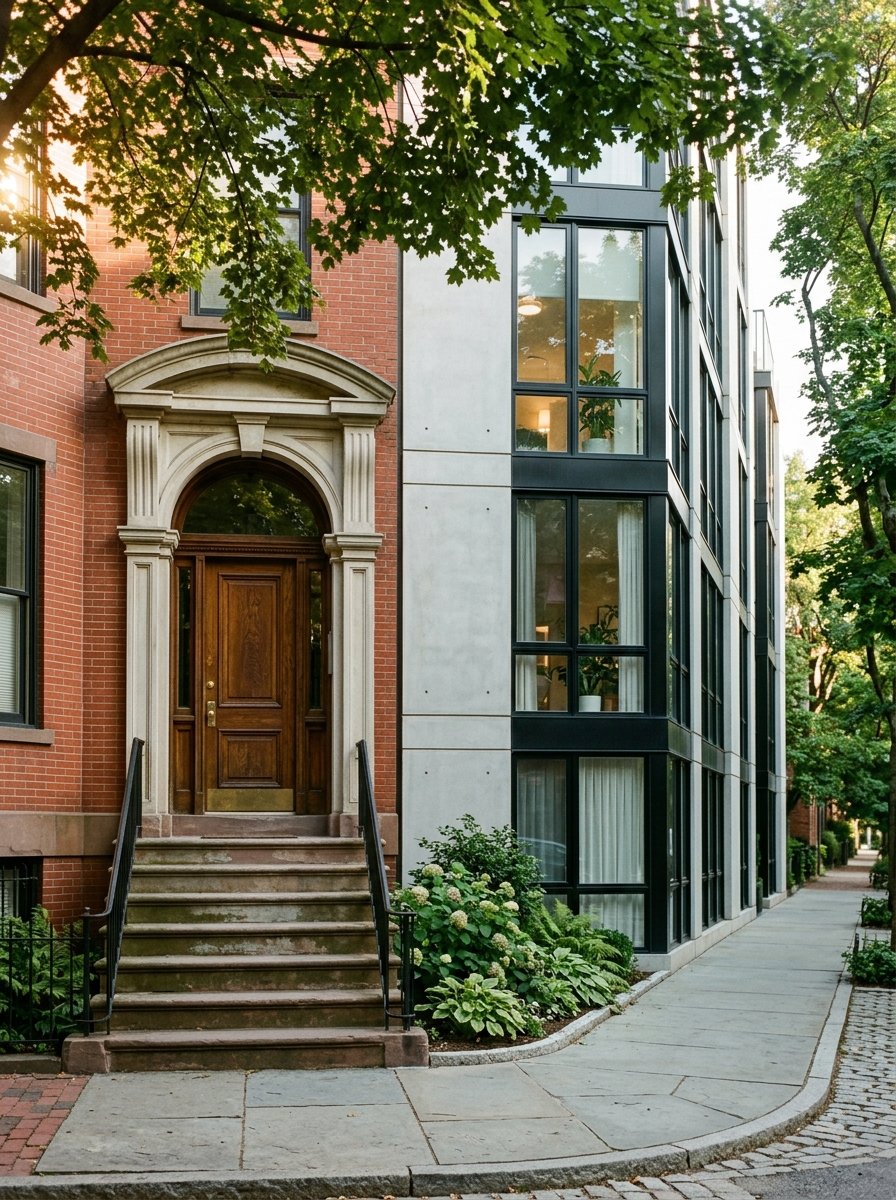
If you enjoy architecture and a traditional urban setting, Old Town has a strong visual identity. City materials highlight Georgian and Federal period architecture, rowhouse-scale blocks, brick sidewalks, street trees, and preservation standards that help protect the district’s character.
That means your surroundings may feel more intimate and established. Instead of a master-planned look, Old Town offers a main-street rhythm shaped by history and long-standing buildings.
Walkability is a major draw
Old Town is the stronger choice if you want to do more on foot. The King Street corridor functions as a central retail and dining spine, and the King Street Trolley runs daily every 15 minutes between King Street Metro and City Hall/Market Square, serving shops, restaurants, and attractions along the way.
The result is a lifestyle where errands, dining, and casual outings can feel connected. You are not just driving to isolated destinations. You are moving through a continuous, pedestrian-oriented area.
Dining and shopping feel concentrated
Visit Alexandria describes Old Town as having a dense mix of waterfront dining, independent boutiques, coffee shops, and globally influenced restaurants. The Old Town Farmers’ Market adds another recurring option for food shopping and neighborhood activity.
For many buyers and relocators, that concentration is a big advantage. If you value having multiple options within a compact area, Old Town tends to deliver that experience more clearly.
West End Lifestyle
The West End presents a different side of Alexandria. Rather than being defined by historic preservation, it is framed in city planning through Alexandria West, Landmark and Van Dorn redevelopment, and corridor improvement efforts.
That gives the area a more forward-looking identity. If you are drawn to newer housing, larger-scale mixed-use projects, or a neighborhood in transition, the West End may feel like a better match.
A more modern development pattern
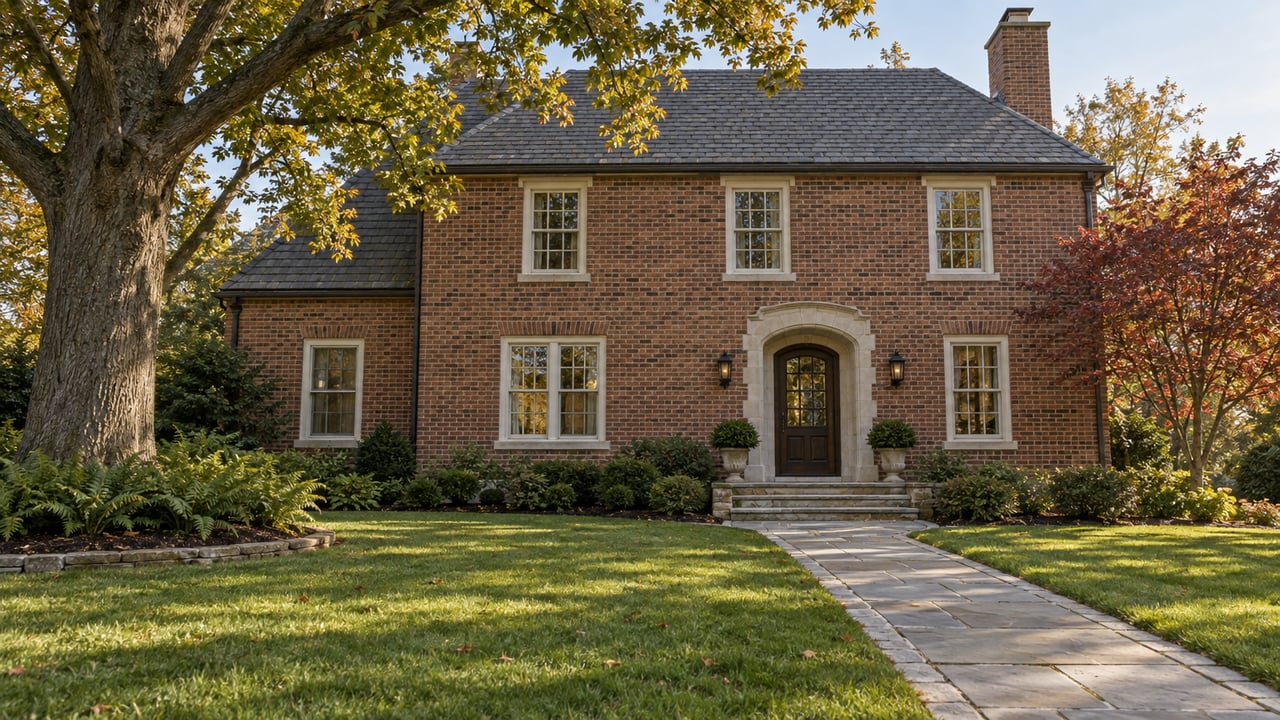
City materials describe the former Landmark Mall site as a mixed-use development that includes retail, multifamily housing, townhomes, medical office space, and the new INOVA hospital campus. Compared with Old Town’s rowhouse-scale blocks, this points to a more contemporary and master-planned building pattern.
For you, that can mean a different housing feel and streetscape. Buildings may be larger in scale, and the overall environment may feel newer and more oriented around redevelopment than preservation.
Diverse businesses and evolving nodes
The city describes the West End as multicultural and multilingual, with diverse businesses and institutions. At the same time, city planning and community health materials note that the area has been more car-oriented, with residents reporting difficulty walking from place to place and a shortage of green space.
So while the West End offers activity and services, they are often more dispersed. Instead of one continuous main street, the area functions more through neighborhood nodes, including places like the West End Farmers’ Market at Ben Brenman Park and the Market at Southern Towers.
Walkability is improving, not finished
If walkability matters to you, the West End is best understood as a work in progress. City corridor plans aim to transform parts of the area into a more walkable, multimodal community, and roadway projects on Edsall Road and Yoakum Parkway are intended to improve safety and travel options.
That makes the West End appealing if you are comfortable buying into an area that is actively changing. You may be choosing future potential and newer development patterns over the immediate, established walkability Old Town already offers.
Transportation and Commute Differences
Your commute can be one of the biggest deciding factors between these two parts of Alexandria. Old Town and the West End both offer transit access, but they do so in different ways.
Old Town transit access
Old Town has the more varied rail-linked commute profile. King St-Old Town is on the Blue and Yellow lines, and WMATA notes that it sits across from Alexandria Station, connecting riders to Amtrak, VRE, DASH, Metrobus, and the free trolley to Old Town and the waterfront.
That gives you several ways to move around without depending as heavily on a car. WMATA also notes that King St-Old Town has only short-term metered parking, which reinforces the area’s pedestrian and transit-oriented character.
West End commuting strengths
The West End is stronger for park-and-ride and bus-based commuting. Van Dorn Street station is on the Blue Line and offers daily parking, which can be a practical advantage if you want rail access with a driving component.
The city is also building the West Alexandria Transit Center to serve bus rapid transit, DASH, and Metrobus routes. Planning documents further describe the West End Transitway as a planned bus rapid transit corridor connecting Van Dorn, Landmark, Beauregard, and the Pentagon.
Which Area Fits Your Priorities?
Choosing between Old Town and the West End often comes down to how you want your days to feel. Both are Alexandria, but they support different routines and preferences.
Here is a simple side-by-side view:
| Priority | Old Town | West End |
|---|---|---|
| Overall feel | Historic urban core | Newer, evolving area |
| Streetscape | Brick sidewalks, rowhouse-scale blocks, preserved architecture | Larger-scale, mixed-use, redevelopment-focused |
| Walkability | Strong and established | Improving, more dispersed today |
| Dining and shopping | Concentrated along King Street and nearby areas | Spread across multiple nodes |
| Transit profile | Rail-linked, trolley access, multimodal connections | Blue Line access, parking, planned BRT improvements |
| Best fit for | Buyers who want history and a main-street lifestyle | Buyers who want newer development and future growth |
What Buyers Should Think About
If you are buying in Alexandria, think beyond price and square footage. The better question is how each area supports your daily routine, commute pattern, and preferred setting.
Old Town may be the better fit if you want a historic neighborhood feel, easier walking access to dining and shopping, and a transit-connected environment that feels established today. The West End may make more sense if you want a more modern setting, larger redevelopment areas, and transportation improvements that may shape the area over time.
What Sellers Should Think About
If you are selling, the lifestyle story of your home matters. Buyers shopping in Old Town may respond most strongly to historic character, walkability, and access to King Street and transit connections.
In the West End, buyers may focus more on newer housing options, proximity to redevelopment, access to Van Dorn, and the area’s long-term transformation. Positioning your home around the right neighborhood strengths can help attract the right audience and create a clearer value story.
A neighborhood-specific strategy is especially important in Alexandria because buyers are often comparing not just homes, but two very different ways of living within the same city. That is where strong local guidance can make a real difference.
If you are weighing a move in Alexandria, working with a local expert can help you compare lifestyle fit, market positioning, and what buyers are really looking for in each part of the city. To talk through your next move, request a free home valuation or buyer consultation with Francisco Hoyos.
FAQs
What is the main lifestyle difference between Old Town and West End in Alexandria?
- Old Town offers a more historic, walkable, main-street lifestyle, while the West End offers a more modern, evolving setting shaped by redevelopment and transit planning.
Is Old Town Alexandria more walkable than the West End?
- Yes. City materials point to Old Town as the clearer walkability choice, with the King Street corridor, trolley service, and a dense mix of shops, restaurants, and attractions.
Does West End Alexandria have good transit options?
- Yes. The West End has Blue Line access at Van Dorn Street, daily parking at that station, and planned improvements tied to the West Alexandria Transit Center and West End Transitway.
What kind of housing feel does Old Town Alexandria have?
- Old Town has a strongly preserved, older-city character shaped by historic district boundaries, early structures, and rowhouse-scale streets.
What kind of housing feel does West End Alexandria have?
- The West End has a more contemporary feel, with larger-scale mixed-use development, multifamily housing, townhomes, and redevelopment around the former Landmark Mall site.
Which Alexandria area is better for newer development: Old Town or West End?
- The West End is the stronger choice if you are looking for newer development patterns and an area being actively reshaped through major planning and mixed-use projects.