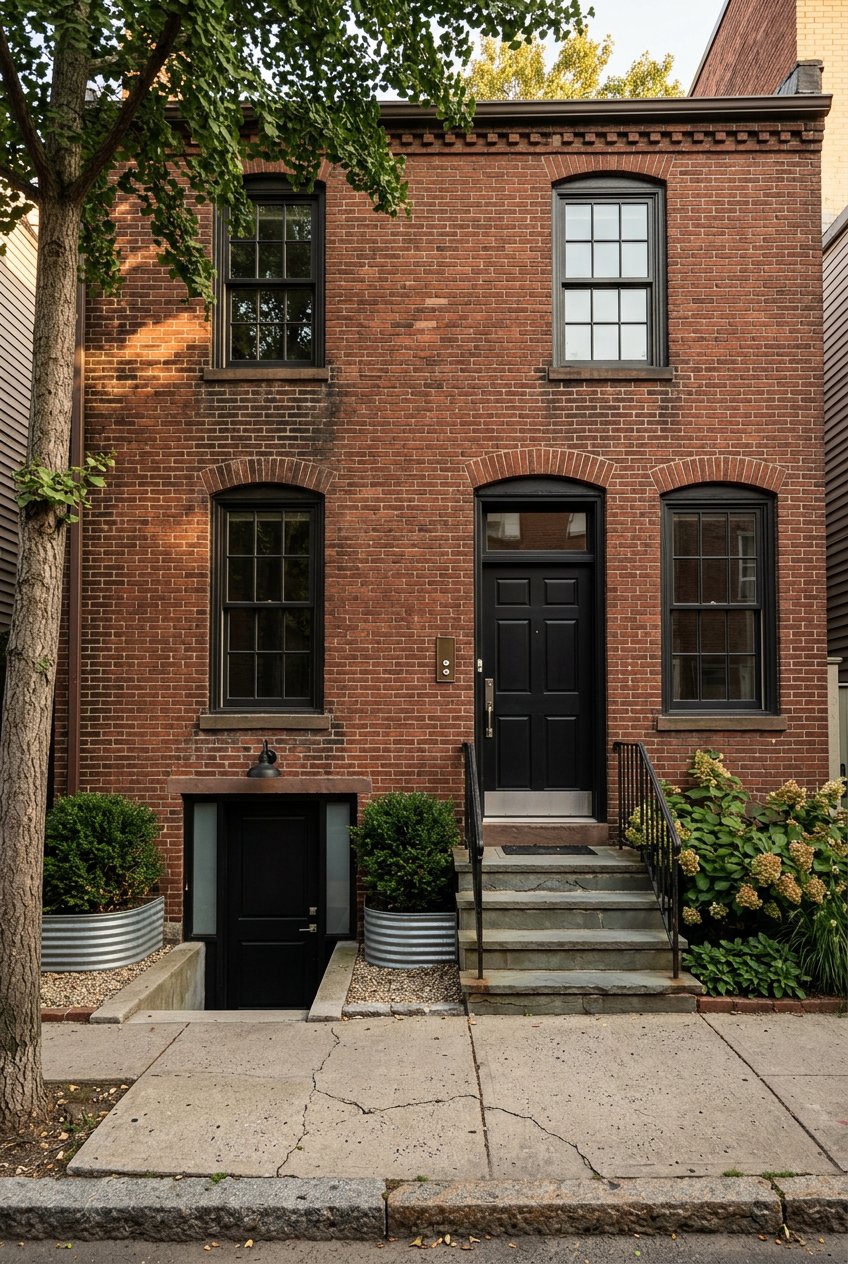
If you want your first home in Northeast DC to help pay for itself, house hacking can be a smart path. You live in one unit and rent the others, or add a legal apartment to capture steady income. It works best when you pair a great property with the right financing and a clear handle on local rules. In this guide, you’ll learn how to spot solid multi‑unit options, what approvals you must confirm, and a practical way to evaluate the numbers before you write an offer. Let’s dive in.
What house hacking looks like in Northeast DC
You will see many older rowhouses, small purpose‑built multi‑families, and attached townhouses across neighborhoods like Brookland, Trinidad, Ivy City, Kingman Park, Langdon, and Woodridge. Many have basement levels that were finished as apartments or could be candidates for an accessory unit. Some blocks include 2 to 4 unit conversions in low‑rise buildings.
Before you assume a conversion is possible, confirm the property’s zoning and permitted uses. Use the D.C. Office of Zoning’s interactive map and Zoning Handbook to verify what the lot allows and whether a special exception is needed. You can also request a formal zoning certification if your offer depends on unit count. Start here with DCOZ’s services and map tools for precise address checks: DCOZ services and Zoning Handbook.
Neighborhood context matters. Proximity to transit and local rent demand can influence how fast you lease a new unit. Historic district overlays can also affect design approvals and timelines. If you think a property sits in a historic area, confirm status through DCOZ resources before you plan exterior changes.
Rules you must confirm before you buy
Start with zoning
Zoning sets the legal baseline. It tells you if the lot allows two‑family use, an accessory dwelling unit, or more. If unit count is unclear or the listing description conflicts with public records, pull the zoning details and consider ordering a zoning certification for due diligence. Find the interactive map and request tools at DCOZ services.
Certificates of Occupancy make units legal
If you add, convert, or claim a second dwelling unit, you will usually trigger a change‑of‑occupancy and must obtain a Certificate of Occupancy. You cannot legally rent a new separate unit until the Department of Buildings issues the correct C of O. Confirm any claimed “legal apartment” by matching the current C of O and permit history to the advertised unit count. Start with DOB’s C of O portal and guidance: DOB Certificate of Occupancy.
Permits, inspections, and life‑safety basics
Basement conversions and interior changes require building permits and final inspections. Common blockers include lack of compliant egress, inadequate ceiling heights, missing fire separation, or improper smoke and carbon monoxide detection. Plan and budget for the work needed to meet the DC Construction Code and pass final inspection. Review permit types and the Homeowner’s Center here: DOB permits and how to apply.
Rental registration and rent stabilization
D.C. requires rental unit registration with the Rent Registry. Until an exemption is granted, unregistered rentals are treated as rent stabilized by default. That can limit how you increase rents after purchase and should be part of your underwriting. Confirm registration and any exemptions directly with the Rental Accommodations Division: Rent Registry for housing providers.
Tenant rights and TOPA timelines
D.C.’s Tenant Opportunity to Purchase Act gives tenants a right of first refusal in many rental property sales. In 2025 the Council passed broad TOPA reforms as part of the RENTAL Act that affect a range of 2 to 4 unit transactions. As of March 2026, you should verify applicability and any required notices for your address using DHCD’s weekly reports and consult counsel before you rely on a specific timeline. Check filings here: DHCD TOPA weekly reports. For general background and evolving guidance, see industry updates on TOPA issues: TOPA overview and updates.
Financing paths for owner‑occupied 2 to 4 units
FHA for 1 to 4 units
FHA financing is popular with house hackers because you can put as little as 3.5% down if you qualify. You must occupy the home, and for 3 to 4 unit properties FHA uses a self‑sufficiency test that looks at net rental income against the full payment. The HUD Single Family Housing Policy Handbook covers rental income use and underwriting rules. Review the source here and confirm details with your lender: HUD Handbook 4000.1.
Conventional options that may allow 5% down
Fannie Mae updated guidance in late 2023 that made conventional financing easier for many owner‑occupied 2 to 4 unit purchases. Industry reporting notes a 5% down path in many scenarios. These products can avoid FHA’s self‑sufficiency constraint on 3 to 4 units and may price better for strong‑credit borrowers. Lender overlays vary, so request written scenarios from an experienced loan officer. See a summary here, then confirm in the current Selling Guide: Conventional 2 to 4 unit overview.
Loan limits and conforming vs. jumbo
Your down payment and rate options depend on whether the loan fits conforming limits for the Washington metro area. Multi‑unit limits differ from single‑unit caps and change year to year. Before you size a deal, confirm current county‑level limits using official sources: Freddie Mac 2026 loan limits update.
DC taxes and homestead details
Recordation and transfer taxes are meaningful line items in the District, and the homestead deduction can reduce your property tax bill if you occupy the home. These amounts change over time. Always check the Office of Tax and Revenue’s current guidance for the tax year of purchase: OTR homeowner taxes and rates.
How to analyze a property step by step
Use this checklist to evaluate any house hack or small multi‑unit in Northeast DC.
- Verify zoning and permitted uses
- Pull the address in the DCOZ map to confirm whether two‑family, ADU, or multi‑unit use is allowed. If the deal depends on unit count, consider a zoning certification. Start here: DCOZ services.
- Confirm Certificate of Occupancy and permit history
- Use DOB’s Certifi and permit records to verify finaled permits, the recorded C of O that matches the unit count, and whether violations exist. The C of O is essential if you plan to rent a separate unit: DOB Certificate of Occupancy and DOB permits.
- Review inspection and violation history
- Check if the address appears on DOB’s Proactive Inspection schedule and whether past inspections flagged life‑safety issues. These are red flags that can delay leasing or trigger costly repairs. See the program dashboard: DOB Proactive Inspection Program.
- Confirm rental registration and stabilization status
- Search the Rent Registry to see if the units were registered or claimed as exempt. Unregistered rentals are treated as stabilized by default, which affects your rent growth assumptions: RAD Rent Registry.
- Check TOPA status and timing
- Look for recent filings or notices in DHCD’s weekly reports. If tenants are in place, confirm whether the sale triggers tenant rights under the amended rules and plan your contract timeline with counsel: DHCD TOPA weekly reports.
- Assess the physical scope to legalize or improve units
- Walk the property with egress, ceiling height, ventilation, fire separation, and smoke/CO detection in mind. If work is needed, get a written estimate from a licensed contractor or architect and confirm any plan review steps with DOB before you underwrite.
- Confirm utilities and metering
- Identify whether gas, electric, and water are separately metered. Shared meters complicate billing and, in some cases, may need rework to support separate tenancies.
- Review leases and rent history
- Request copies of all leases, rent ledgers, notices served, and any tenant acknowledgments. Confirm whether tenants assigned or waived TOPA rights and whether RAD filings exist.
Simple metrics to size up returns
- Gross Rent Multiplier (GRM) = Purchase Price divided by Annual Gross Rent. Lower GRMs can signal better value relative to rent.
- Net Operating Income (NOI) = Gross Rent minus Vacancy and Operating Expenses. Exclude your mortgage payment.
- Cap Rate = NOI divided by Purchase Price. Use this to compare small multi‑family deals.
- Cash‑on‑Cash = Annual Cash Flow after debt service divided by Cash Invested.
Example: Assume a 2 unit purchase for 950,000. Project gross rent of 6,000 per month, or 72,000 per year. Use 5% vacancy (3,600) and 30% operating expenses including insurance, taxes, maintenance, and management, or 21,600. NOI would be 72,000 minus 25,200 equals 46,800. The cap rate is 46,800 divided by 950,000 equals about 4.9%. For cash‑on‑cash, subtract your annual mortgage payments and divide by your cash invested. To qualify on FHA for 3 to 4 units, remember lenders apply the FHA self‑sufficiency test and specific rental income calculations outlined in HUD Handbook 4000.1.
Red flags that call for a pause or a price cut
- No valid C of O for the claimed unit count.
- Missing egress or chronic life‑safety violations.
- Active TOPA filings that could stall closing.
- Significant unpermitted work or water intrusion.
- Utility configurations that cannot be readily separated where required.
Neighborhood notes for Northeast DC house hackers
Many Northeast DC blocks include classic rowhomes and smaller multi‑family buildings, which can be good fits for living in one unit while renting another. Areas near strong transportation corridors or employment centers often lease more quickly, but your exact block will drive demand and pricing. If you plan an exterior change or addition, verify any historic district overlays through DCOZ before you commit to a design or timeline.
Focus your search where the zoning supports your plan, the rent comps feel durable, and the construction scope to legalize a unit is modest. A property that already has a recorded C of O for two or more dwelling units will usually be faster to place in service than a full basement conversion.
Next steps with lenders, contractors, and your agent
- Pull zoning and C of O records for the address using DCOZ and DOB before you write an offer: DCOZ services.
- Ask the seller for permit history, final inspection documents, leases, RAD registration proof, and any TOPA notices: RAD guidance.
- Order inspections that cover structure, mechanicals, and especially basement egress and water intrusion. Get written estimates for any legalization.
- Talk to two lenders, one who regularly underwrites FHA 2 to 4 unit loans and one conventional lender experienced with 2 to 4 unit products. Bring projected rents and expenses, and confirm county loan limits: HUD Handbook 4000.1 and Freddie Mac loan limits.
- If tenants are in place, consult a DC real estate attorney on TOPA timelines and notices before you remove contingencies: DHCD TOPA reports.
Work with a local guide you can trust
House hacking in Northeast DC rewards clear planning and precise due diligence. When you pair the right property with financing that fits and a clean path to permits and a C of O, you set yourself up for long‑term success. If you want a neighborhood‑savvy partner to help you evaluate deals, model returns, and navigate DC’s rules with confidence, connect with Francisco Hoyos for buyer and investor representation across the metro area.
FAQs
What is house hacking in Northeast DC?
- House hacking means you buy a home, live in one unit, and rent the others or add a legal apartment to offset your mortgage. In Northeast DC, many candidates are rowhouses with potential basement units or small 2 to 4 unit buildings.
How do I confirm a basement apartment is legal in DC?
- Match the unit count to a valid Certificate of Occupancy and finaled permits in the Department of Buildings records. Start with DOB’s C of O page and review permit history before you rely on rental income.
Do I need to register my rental unit in DC?
- Yes. DC requires registration with the Rent Registry, and unregistered units are treated as rent stabilized by default until an exemption is approved. Review steps at RAD’s guidance for providers.
What financing works for an owner‑occupied 2 to 4 unit purchase?
- FHA offers 3.5% down for qualifying borrowers and applies a self‑sufficiency test on 3 to 4 units, while conventional lenders may allow 5% down in many owner‑occupied scenarios. Confirm current rules in HUD Handbook 4000.1 and with your lender.
How do TOPA rules affect buying a tenant‑occupied duplex in DC?
- TOPA often gives tenants a right of first refusal when a rental is sold, and 2025 reforms changed how some 2 to 4 unit sales work. As of March 2026, check DHCD’s weekly TOPA reports and get legal advice before setting your contract timeline.
Where do I check zoning for a specific Northeast DC address?
- Use the DCOZ interactive zoning map and Zoning Handbook to confirm permitted uses and whether an ADU or two‑family use is allowed. Start with DCOZ services.