Dreaming of a Metro-accessible home that fits your budget and lifestyle? If you are buying your first condo in Arlington, you are in a strong location with choices from glassy high-rises to tree-lined garden communities. This guide shows you how to compare buildings, read HOA fees, confirm financing approvals, and tap local buyer assistance. You will also get a practical checklist to tour wisely and write a confident offer. Let’s dive in.
Why Arlington condos work first
Arlington puts you close to D.C., multiple Metrorail lines, and lively neighborhood centers. County-wide prices are higher than the regional average, but condos often trade lower than single-family homes, which can help first-time buyers enter the market. Recent summaries show many Arlington condos selling in a broad band around the mid-$400ks to mid-$500ks, with wide variation by building, age, and exact location.
Inventory and pricing can shift by submarket. Regional association forecasts point to modest movement into 2026, so your building choice and timing will matter more than chasing a headline number. You can review a regional outlook in the NVAR economic forecast.
Where to look by lifestyle
Arlington’s condo options cluster along transit corridors. Proximity to stations can be a major value driver.
Rosslyn
A gateway to D.C. with skyline views and quick access to multiple lines. Expect high-rise, amenity-rich buildings and strong demand from commuters.
Courthouse and Clarendon
Walkable main streets, restaurants, and retail. Buildings range from newer mid-rises to older walk-ups. Fees and parking arrangements vary by property.
Ballston and Virginia Square
A university and office hub on the Orange and Silver lines. The Ballston–MU Station page offers helpful transit context. You will find a mix of high-rise towers and mid-rise condos with a steady pipeline of neighborhood amenities.
Pentagon City and National Landing
Close to major employers, shopping, and the Yellow and Blue lines, with easy access to Reagan National Airport. Expect newer development, larger buildings, and full-service amenities.
Columbia Pike and Fairlington
Columbia Pike features a mix of mid-rise and walk-up buildings at more accessible price points for some buyers. Fairlington offers garden-style and townhouse-conversion condos with neighborhood green space and a quieter feel.
Condo types and amenities
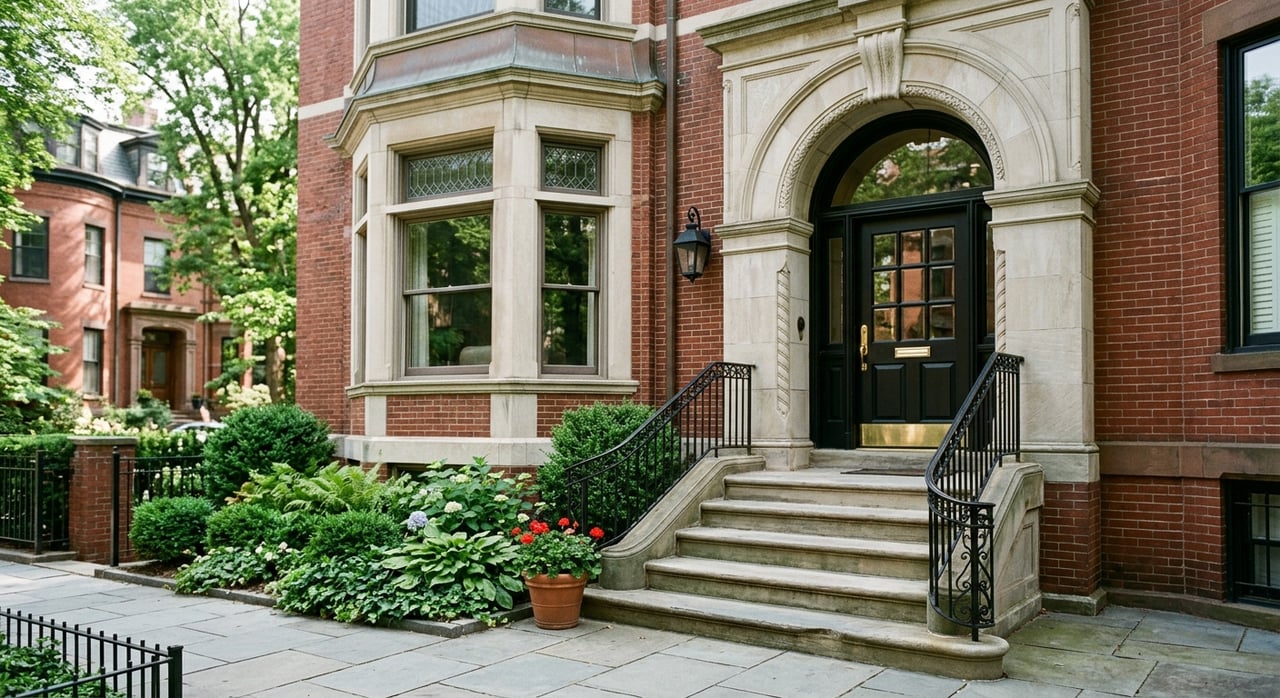
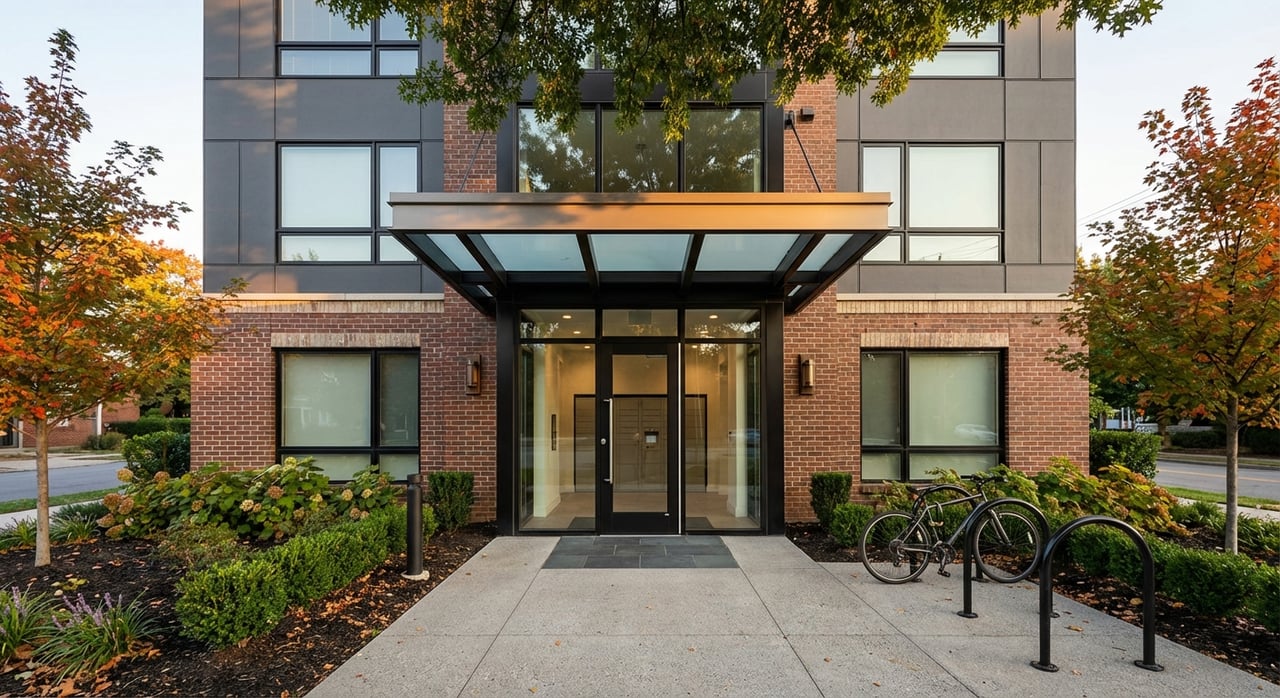
- High-rise towers. Often found in Rosslyn, Courthouse, Clarendon, Ballston, Pentagon City, and National Landing. Typical features include elevators, concierge, fitness centers, pools, garage parking, and higher monthly fees that reflect the services.
- Mid-rise and low-rise buildings. Common along the Rosslyn–Ballston corridor and Columbia Pike. You will see a range of construction eras and fee levels, plus varied parking setups.
- Garden-style and townhouse conversions. Concentrated in Fairlington and parts of south Arlington. Dues can be lower, but check for older systems or upcoming exterior work.
Monthly condo dues in Arlington vary widely. Many buildings fall in the several-hundred-dollars range per month, while amenity-heavy communities or buildings managing major projects can exceed $1,000. Always compare what is included.
HOA fees, reserves, and your rights
HOA or condo fees usually cover common-area upkeep, exterior maintenance, elevators, landscaping, snow removal, some utilities for common areas, building-level insurance for common elements, and contributions to the reserve fund. The Virginia Condominium Act governs many of these requirements, including budgeting and reserves. You can review the statute here: Virginia Condominium Act.
Reserves matter. A thin reserve fund or major projects on the horizon can lead to special assessments. Ask for the reserve study and recent financials early. Associations must disclose planned assessments and recent spending under Virginia law.
Know your resale packet. Virginia requires a resale disclosure certificate that lists current assessments, pending or planned assessments, financials, insurance, and more. Delivery of this packet starts a short cancellation window for buyers. Review the timing rules in the Virginia resale certificate statute.
Budget the full monthly carry. Build your monthly number as:
- Mortgage principal and interest
- Monthly HOA/condo dues
- Monthly property taxes
- Monthly HO-6 (unit) insurance
- Utilities
For example, using Arlington’s published 2025 real-estate tax rate of $1.033 per $100 of assessed value, a $500,000 purchase implies roughly $5,165 per year in county property tax, about $430 per month. See the county’s real estate tax FAQs for reference. Your mortgage payment will depend on loan size and the current rate.
Financing and approvals to check
Condo approvals affect what loans you can use, as well as your resale pool later. Confirm project eligibility before you write an offer.
- FHA and VA. The HUD site lists official FHA condominium approvals and explains the process. Approvals expire and must be recertified. If you plan to use FHA or VA financing, verify status early on the HUD condominium page.
- Conventional loans and “warrantability.” Fannie Mae and Freddie Mac evaluate projects based on owner occupancy, investor concentration, reserves, insurance, litigation, and critical repairs. If a building is not GSE-eligible, it is often called non-warrantable and may require different financing terms. Learn more from Freddie Mac’s condo guidance.
Ask your lender up front:
- Is the project FHA or VA approved today?
- Is the project warrantable for conventional financing?
- Are there any lender overlays that could affect me?
- If contingent, when will you confirm eligibility in writing?
Documents to request early
Gather these before or immediately after going under contract so you can use your legal review window effectively.
- Resale certificate and disclosures. Triggers your cancellation window and lists assessments, special assessments, budget, insurance, and delinquencies. See Virginia’s resale certificate statute.
- Financials and reserve study. Ask for the current budget, recent income statement, balance sheet, and the latest reserve study to assess funding for capital repairs. Governed by the Virginia Condominium Act.
- Board meeting minutes. Request 12 to 36 months of minutes to surface upcoming projects, disputes, or litigation risk.
- Insurance information. Review the association’s master policy declarations, limits, and deductibles so you can size your HO-6 policy.
- Status or estoppel letter. Confirms amounts owed and whether the unit is in good standing prior to closing.
What to check on tours
Walk the unit and common areas with a critical eye.
- Parking and storage. Confirm allocations in writing, and ask about waitlists and guest rules.
- Noise and systems. Visit at different times, listen for mechanical noise and check elevator reliability.
- Water intrusion. Look for staining at windows or ceilings. Ask about building envelope or garage projects.
- Access and security. Note building entry controls and any concierge hours if applicable.
Write offers that protect you
- Tie financing to eligibility. If you rely on FHA, VA, or conventional warrantable financing, include a contingency that allows you to cancel if the project is ineligible. For FHA, refer to the HUD condo resource during due diligence.
- Control the resale packet timeline. Ask the seller to deliver the resale packet by a specific date. Your cancellation rights run from delivery under Virginia law, so do not leave the schedule vague.
- Price and fees together. Compare total monthly carry across shortlisted units, not just list prices. A higher price with lower dues can be similar to a lower price with higher dues.
Local assistance you can use
- Arlington MIPAP. The Moderate-Income Purchase Assistance Program offers a deferred, no-interest loan for qualified first-time buyers purchasing in Arlington. Review eligibility, current funding status, and how to apply on the county’s MIPAP page.
- Additional county resources. Arlington keeps an updated hub of homeownership tools and contacts. Start here: Arlington Home Ownership.
Program terms and funding can change each year. Check pages for the latest details before you build a plan around them.
Avoid common mistakes
- Skipping the resale certificate. That packet starts your review window and flags fees, projects, and legal issues. Do not waive it lightly.
- Ignoring reserves. Underfunded reserves can lead to special assessments. Read the reserve study and financials.
- Not verifying approvals. Confirm FHA, VA, or warrantable status before you write the offer, not after.
Ready to take the next step?
If you want a clear plan to target the right buildings, confirm approvals, and compare true monthly costs, let’s talk. With neighborhood-level guidance and a calm, data-informed approach, you can buy your first Arlington condo with confidence. Reach out to Francisco Hoyos to get started.
FAQs
What should a first-time condo buyer budget in Arlington?
- Plan for mortgage principal and interest, monthly HOA dues, property taxes, HO-6 insurance, and utilities. Use Arlington’s published tax rate to estimate taxes and compare total monthly carry across buildings.
How do I know if a condo is FHA or VA approved?
- Check early using HUD’s resources and ask your lender to verify the project in writing. See the HUD condominium page for process details.
What does the Virginia condo resale packet include?
- It details current assessments, budgets, insurance, and any known or pending special assessments, and it starts a short buyer cancellation window under Virginia law.
Why do some Arlington buildings have higher HOA fees?
- Fees reflect services and future capital needs. High-rise amenities, elevators, 24-hour staff, and major repairs can increase dues. Review the budget and reserve study under the Virginia Condominium Act.
Which Arlington neighborhoods are best for car-free living?
- Areas near the Orange and Silver line corridor and Yellow and Blue line stations tend to offer strong transit access. Review station context like the Ballston–MU Station page to align your search with your commute.