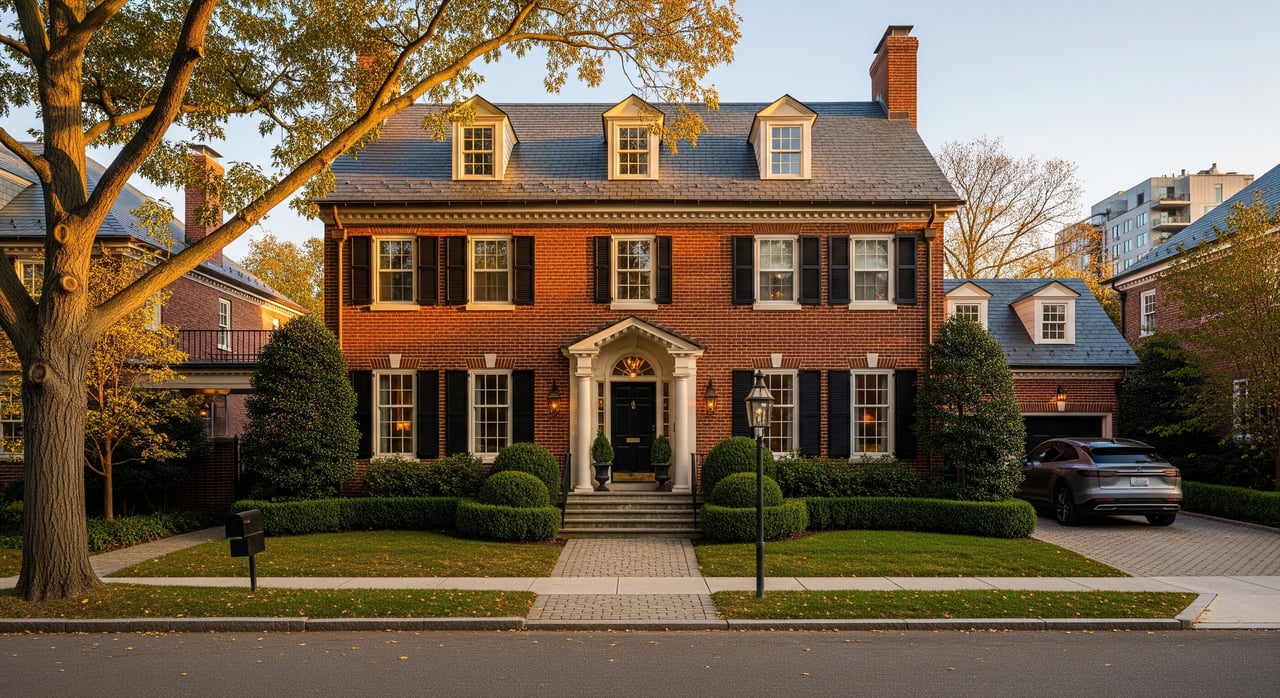
Thinking about a move to Bethesda? You’re not alone. This close-in Maryland suburb offers a rare mix of city energy and neighborhood calm that’s hard to find in the D.C. area. If you want walkable dining, easy Metro access, and leafy streets all in one place, Bethesda often checks the boxes. In this guide, you’ll learn how day-to-day life feels, where different home types cluster, how you’ll get around, and what tradeoffs to expect. Let’s dive in.
Bethesda at a glance
Bethesda sits just northwest of Washington, D.C., in Montgomery County. It is an unincorporated community and a major employment hub within the broader Silver Spring–Frederick–Rockville metro area. Proximity to downtown D.C. is a key draw for many residents who commute.
By day, you’ll notice a high concentration of professionals thanks to major federal and medical anchors nearby, including large research and healthcare institutions. Evenings and weekends shift the vibe toward dining, shopping, and community events in the walkable core.
Expect a highly educated population, strong household incomes, and higher housing costs compared with many suburbs. That mix supports a lively retail and restaurant scene, plus strong public services and parks.
Neighborhoods and housing options
Bethesda’s housing stock changes block by block. Your lifestyle priorities will guide the right fit.
Walkable downtown condos and apartments
The core around Wisconsin Avenue, Bethesda Avenue, and the Bethesda Metro Station features mid-rise and high-rise condominiums and rental buildings. Many are part of mixed-use developments with ground-floor retail, cafes, and services. This setup appeals if you value a car-light lifestyle with dining and errands close by.
Tree-lined single-family neighborhoods
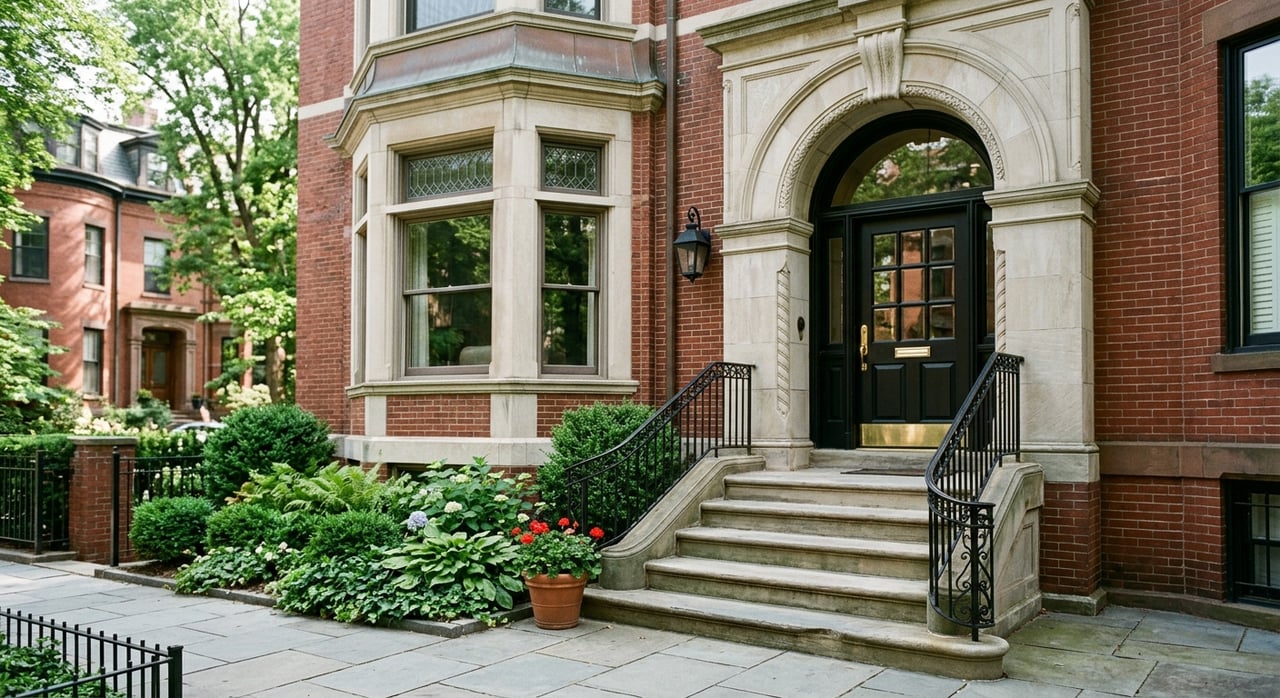
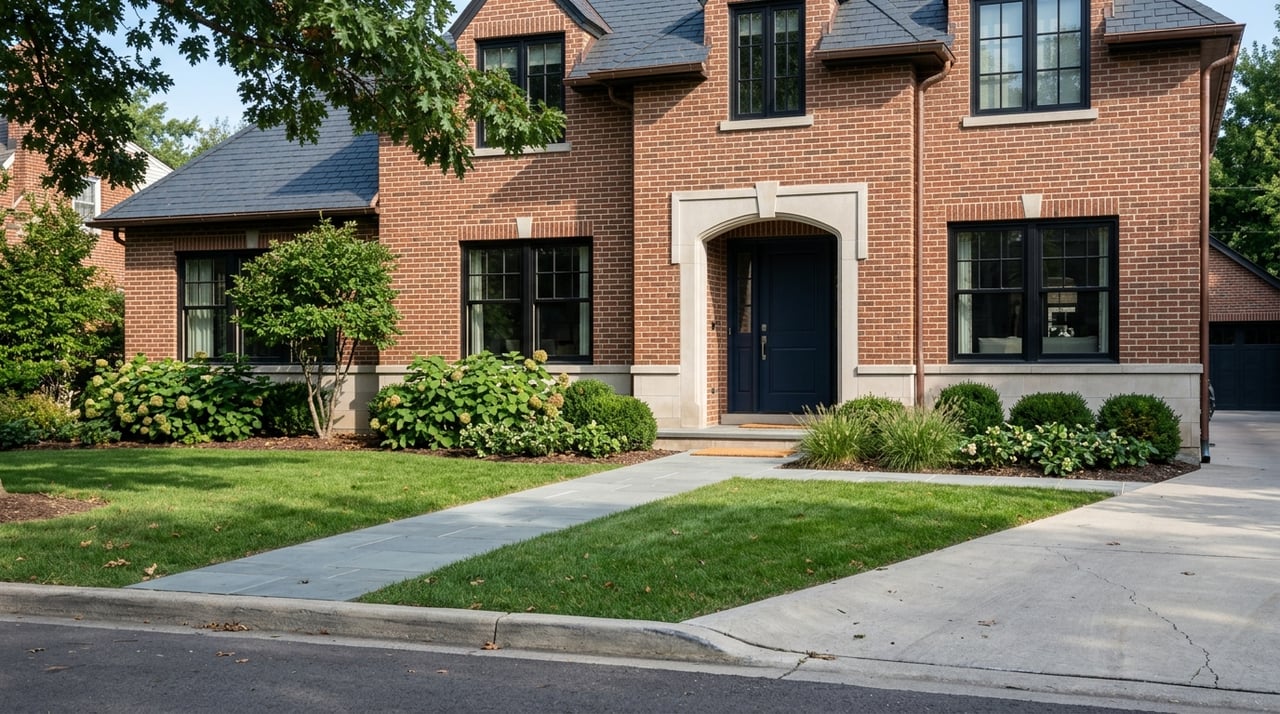
A short walk or drive from downtown, you’ll find streets of single-family homes. Common styles include Colonial, Tudor, mid-century ranches, and larger suburban builds. These areas offer more space and yard potential with steady access to parks and schools.
Townhouses and garden-style condos
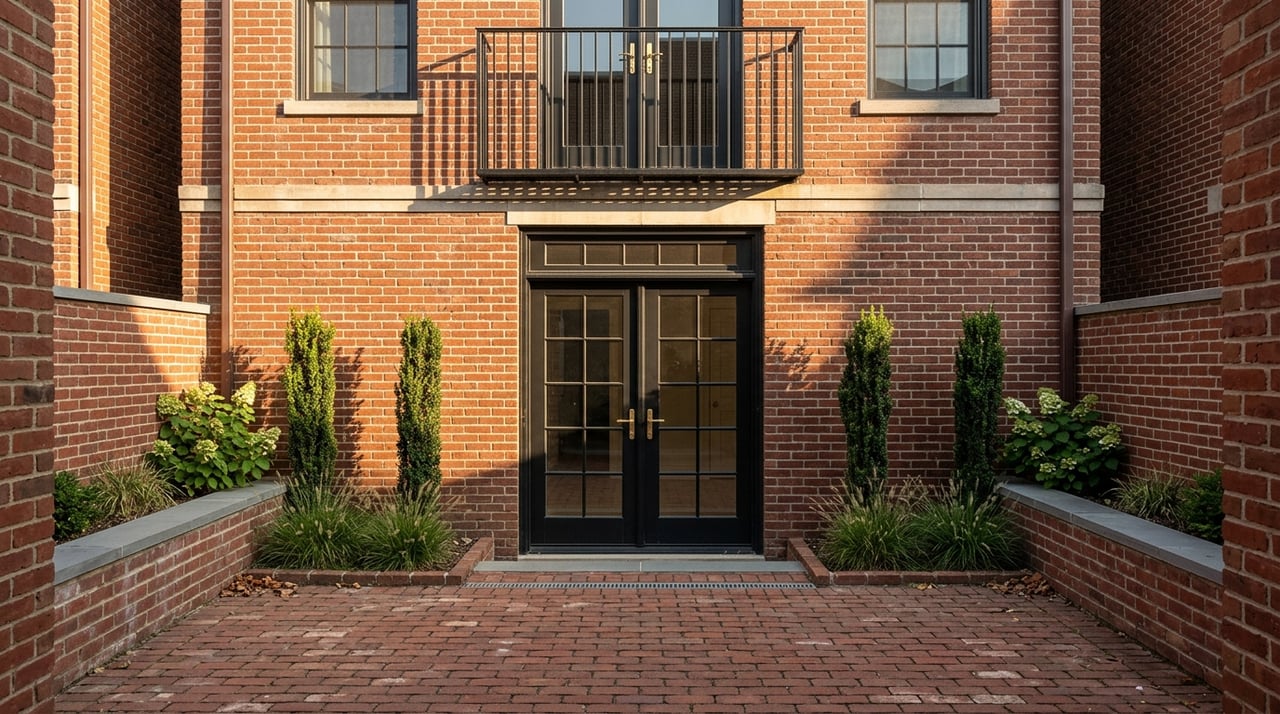
Between the core and single-family areas, you’ll see townhomes and low-rise condos that balance space, maintenance, and walkability. Many sit near transit corridors so you can keep commute times reasonable.
Luxury and historic pockets
Select areas in and near Bethesda include larger homes, substantial renovations, and estate properties. You’ll also see older homes with character alongside newer infill or replacement construction.
What it costs and how to plan
Bethesda’s prices are among the highest in suburban Maryland. Exact numbers change month to month based on neighborhood, inventory, and condition. If you’re budgeting, plan for a higher entry point than many nearby communities. You can often find broader price ranges in adjacent areas like parts of Silver Spring or Rockville.
A smart first step is to clarify housing type, commute goals, and budget range, then track live market activity by micro-neighborhood. That helps you choose between a condo near Metro, a townhouse on the edge of downtown, or a single-family home with more space.
Daily life and walkability
Downtown energy and errands
Downtown Bethesda is very walkable. You can grab coffee, pick up groceries, meet friends for dinner, and get to the Metro without a car. The main commercial spines include Wisconsin Avenue, Bethesda Avenue, and the Woodmont Triangle area. Expect a mix of independent spots and national names, with an active brunch scene and steady evening foot traffic.
Dining, nightlife, and culture
The dining landscape ranges from casual to upscale, plus wine bars and neighborhood pubs. Nightlife is lively but suburban in scale, with bars, cafes, and occasional live music rather than large clubs. Community arts, outdoor concerts, and seasonal events add to the evening and weekend options. For an up-to-date calendar of happenings and retail maps, check the resources from the Bethesda Urban Partnership.
Groceries and services
You’ll find multiple full-service grocery stores in and near the core, along with specialty markets, pharmacies, clinics, and fitness studios. Everyday needs are easy to handle within a short radius.
Getting around
Metro Red Line
The Bethesda Metro Station on the Red Line connects you to neighborhoods across D.C. and Montgomery County. For maps and station information, see the WMATA Bethesda Station guide. Depending on your destination, you can reach central D.C. in roughly 20 to 45 minutes, with peak times varying.
Buses and local transit
Bethesda is served by Metrobus and Montgomery County’s Ride On network, which fills gaps and short hops between neighborhoods and transit nodes. For routes and schedules, explore Montgomery County’s Ride On resources.
Purple Line updates
The Purple Line will provide an east–west light-rail connection linking Bethesda with Silver Spring, College Park, and New Carrollton. Construction timelines and milestones evolve, so check the latest from the official Purple Line project site if this connection is important to your commute plan.
Driving and parking
Many residents still drive, especially for school drop-off, errands beyond the core, or regional trips. The Capital Beltway and I-270 offer broader access, while Wisconsin Avenue and Old Georgetown Road carry local traffic. Expect congestion during rush hours. In downtown buildings, parking is often fee-based or by permit. Single-family areas tend to have driveways or street parking, with permit restrictions near busy corridors.
Biking and trails
Bethesda is friendly to cyclists, especially if you take advantage of regional trail networks. Rock Creek Park and county trail systems offer off-road options for commuting and recreation. Start your planning with the National Park Service’s Rock Creek Park page and county resources.
Parks and outdoor time
Rock Creek Park
Accessible from Bethesda, this expansive federal park stretches into D.C. with miles of trails, picnic areas, and scenic routes for running and biking. It’s a go-to for a quick nature break close to home.
Cabin John Regional Park
Just west of Bethesda, this beloved county park features playgrounds, athletic fields, an ice rink, picnic areas, and nature trails. Families appreciate the variety of activities in one spot. Explore amenities and maps through Montgomery Parks’ Cabin John Regional Park.
Glen Echo Park
This historic campus offers classes, performances, and year-round arts programs in a unique setting. It’s a cultural anchor that pairs well with weekend river and trail time. Check current programs at Glen Echo Park.
Schools and learning
Public schools
Bethesda is served by Montgomery County Public Schools, one of the largest districts in the country. If schools matter to your move, review boundary maps, program offerings, and official performance information directly from Montgomery County Public Schools. Assignments vary by address, so confirm details before you buy or sign a lease.
Private and higher education
You’ll find a range of private and parochial options in and near Bethesda. The region’s universities and colleges are reachable by Metro or short drives, which can be helpful for continuing education and professional programs.
Libraries and community services
County library branches and community centers provide classes, events, meeting rooms, and after-school programs. These services add practical value to daily life and support a strong community fabric.
Lifestyle tradeoffs
Bethesda delivers a lot in a compact footprint, but like any market, there are tradeoffs.
- Pros: walkable downtown, strong transit access, robust dining and retail, well-resourced parks and public amenities, and access to major employers.
- Cons: higher housing and living costs, rush-hour traffic, paid or permit-based parking in the core, and occasional construction activity in growing corridors.
If your priorities are a short commute, restaurants outside your door, and nearby parks, downtown or edge-of-core neighborhoods may fit you well. If you want more space, a yard, and quieter streets, look to the single-family areas a bit farther from the core.
Bethesda vs nearby options
Silver Spring
Silver Spring has a lively downtown with strong transit access, including a Metro hub and planned Purple Line connections. You’ll find a wide range of housing types and price points. If you want an urban feel with more varied affordability, it’s worth a look. For a more Bethesda-style vibe, focus on neighborhoods near the core.
Rockville
Rockville offers multiple transit nodes, including its own Metro stations, plus a historic town center and a range of suburban neighborhoods. Housing options are broad, and you may see more space for the cost compared with Bethesda in some areas. If you want a balance of suburban convenience with periodic downtown trips, Rockville can be a fit.
Which is right for you
Use commute time, housing type, and lifestyle goals as your filter. If your day revolves around D.C. or Bethesda’s core, staying close pays dividends. If you want more square footage and are flexible on transit, nearby communities can open your options.
Practical tips for movers
Renting vs buying
Renting in the core gives you a walkable lifestyle with building amenities and no maintenance. Buying can provide long-term value, but in Bethesda’s competitive market, it helps to be prepared with clear criteria and strong financing.
HOA and condo fees
If you’re considering condos or townhomes, factor monthly fees into your total budget. High-rise buildings often include amenities like front desk service, gyms, or common areas, which can increase monthly costs but reduce out-of-pocket maintenance.
Property taxes and carrying costs
Maryland and Montgomery County property taxes impact your total monthly spend. Review county resources to understand current rates, assessments, and any credits. Start with the county’s property tax information and consult your advisor for specifics.
Parking and permits
Downtown buildings may bundle or lease garage parking. Street parking near busy corridors often requires permits. If you plan to rely on street parking, confirm the rules on your target block before you commit.
Construction and development
Expect ongoing infill and redevelopment in select corridors, plus evolving transit projects elsewhere in the county. Construction can bring noise and traffic detours but often adds new amenities and long-term value to the area.
Putting it all together
Bethesda offers a strong mix of convenience, culture, and access. You can live footsteps from a Metro station and still reach trails and parks in minutes. The tradeoff is higher housing and living costs, plus a need to plan parking and commute times. If you want a close-in location with real neighborhood variety, Bethesda is hard to beat.
Ready to explore which Bethesda neighborhood matches your goals, budget, and daily rhythm? Let’s build a plan and tour the right options. If you’re selling, we can map pre-sale improvements and marketing that drive results. Connect with Francisco Hoyos for personalized guidance across the D.C. metro.
FAQs
Commute from Bethesda to downtown D.C.
- By Red Line from Bethesda Station, many commutes to central D.C. fall in the 20 to 45 minute range depending on time of day and exact destination.
Housing types in Bethesda by lifestyle
- Choose downtown condos for walkability, townhouses for balance, or single-family homes for more space and yard access in quieter residential areas.
Walkability and evening environment in downtown Bethesda
- The core is pedestrian friendly with dining, retail, and events; expect a suburban nightlife scale with active evenings and regular community programming.
Transit options serving Bethesda residents
- Use the Red Line at Bethesda Station, Metrobus, and Ride On buses, with future Purple Line connections planned for east–west travel across the county.
Schools and boundary information for Bethesda addresses
- Confirm public school assignments, programs, and boundary maps directly with Montgomery County Public Schools before buying or signing a lease.