Trying to decide between a rowhouse and a condo in Southeast DC? You are not alone. The SE quadrant offers both historic charm and brand‑new buildings, often on the same block. The right choice comes down to cost, financing, lifestyle, and long‑term value.
In this guide, you will learn the real differences that matter in Southeast DC. You will see how fees and maintenance compare, what to watch in condo documents, and how historic rules can shape a rowhouse renovation. You will also get neighborhood examples so you can narrow your search with confidence. Let’s dive in.
How Southeast DC housing differs
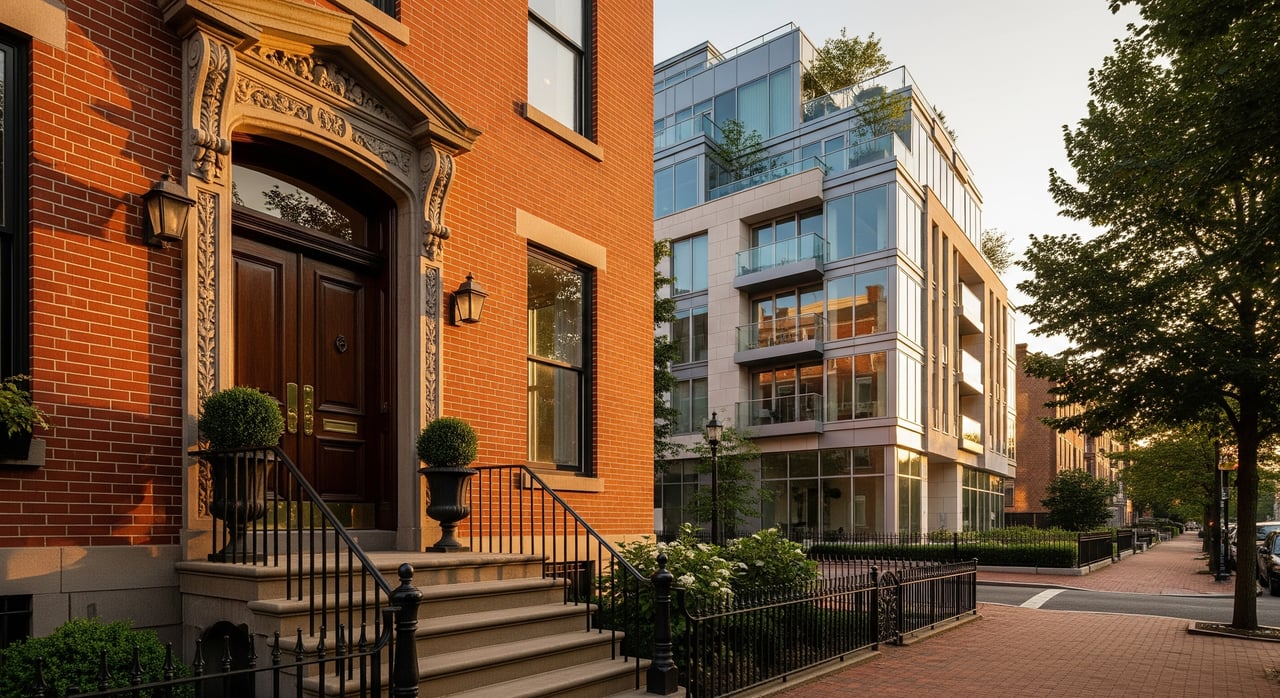
Southeast DC includes a wide mix of homes. You will find classic masonry rowhouses in places like Anacostia and Hill East. You will also see many newer condo buildings near the Anacostia River in Navy Yard, Capitol Riverfront, and Buzzard Point.
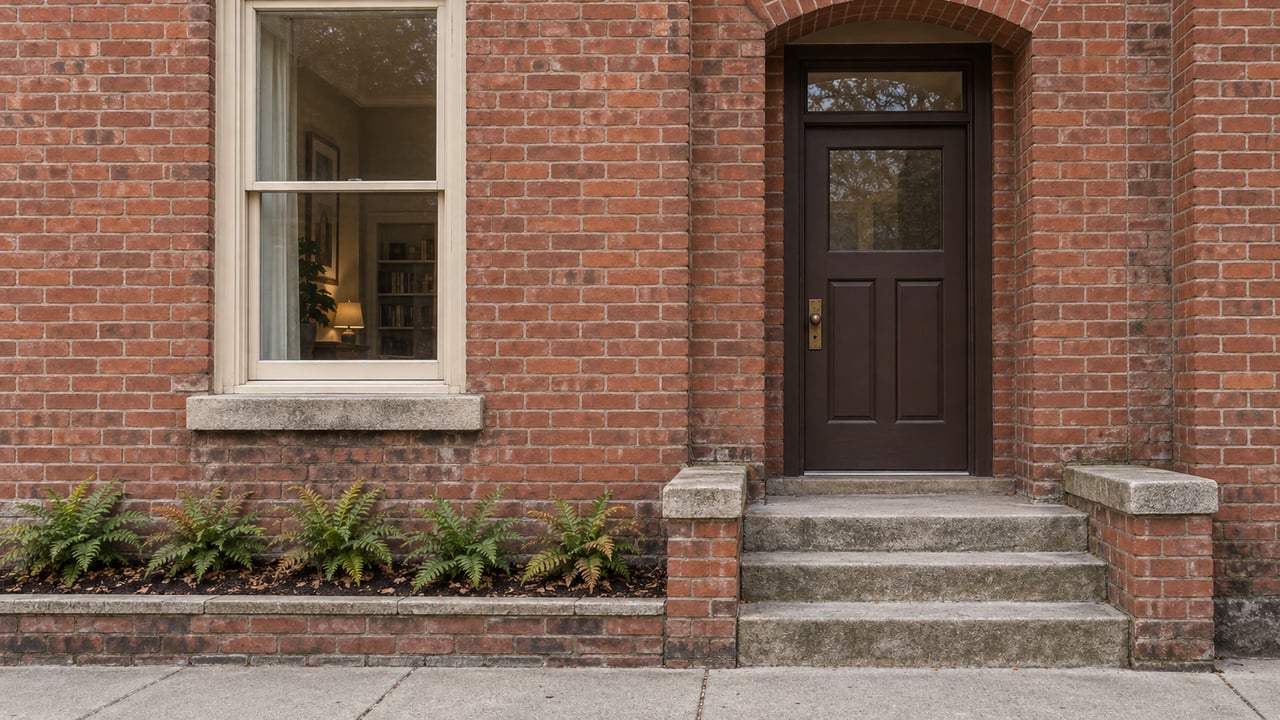
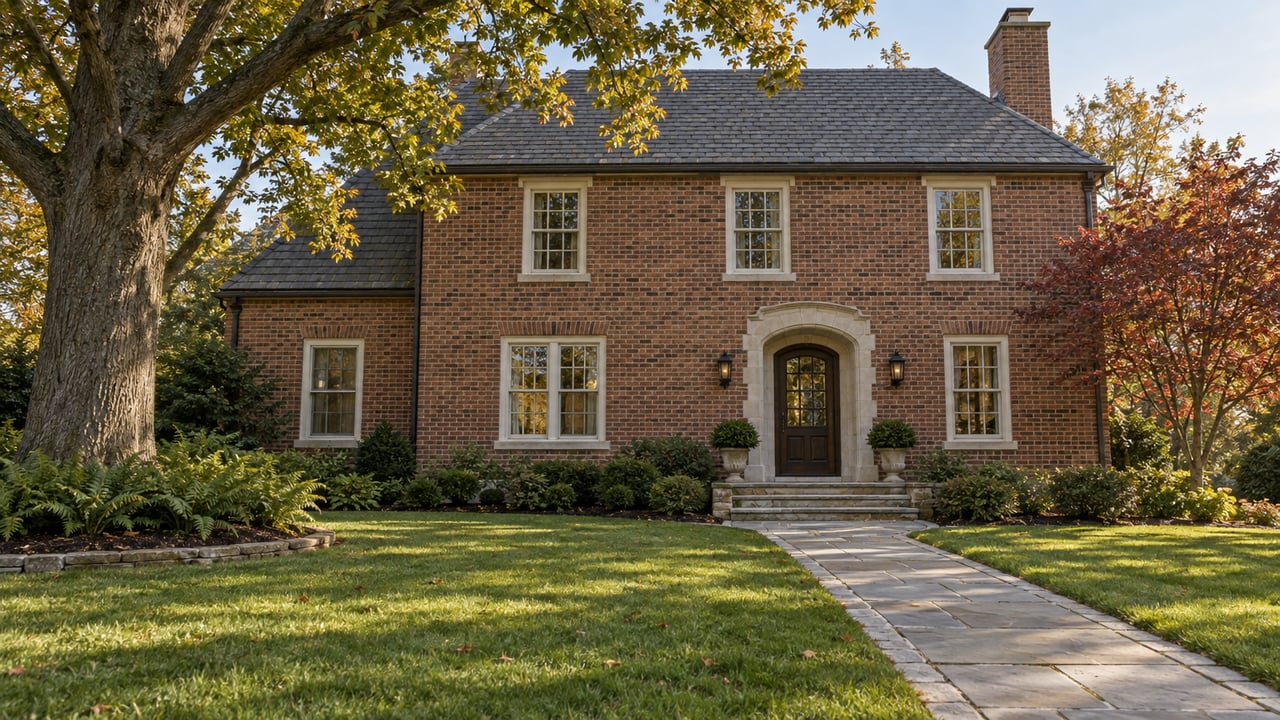
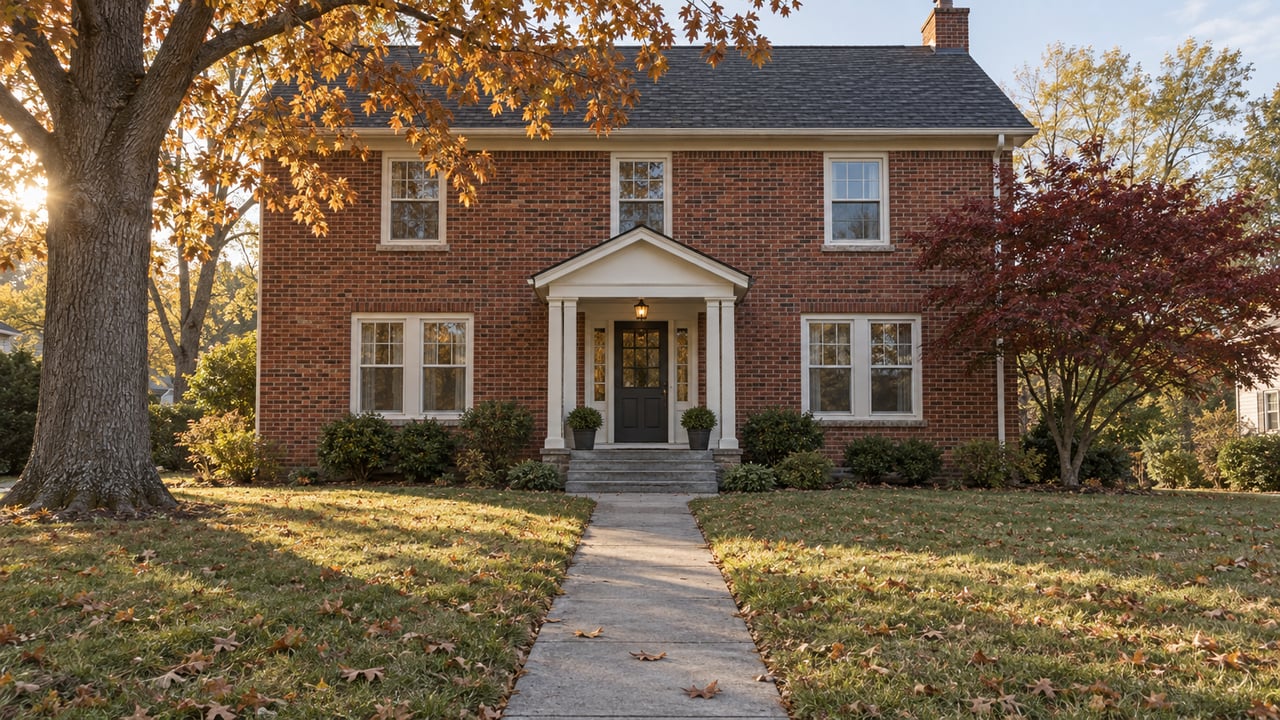
- Rowhouse: You own the structure and lot. You handle exterior and yard upkeep. Many are historic or late‑19th to early‑20th century.
- Condo: You own the interior of your unit plus a share of common areas. A condo association manages building operations and collects monthly fees.
Your day‑to‑day experience will feel different in each. Rowhouses often provide more privacy and outdoor space. Condos trade private yards for amenities, building services, and walkable locations near transit and entertainment.
Cost of ownership
The total cost of owning in SE DC depends on purchase price, ongoing fees, and maintenance.
- Purchase price: Many intact single‑family rowhouses sell for more than condos of similar interior quality because land is scarce. That said, brand‑new luxury condos on the waterfront can exceed rowhouse prices. In SE DC, prices vary by neighborhood and building.
- Monthly fees vs. maintenance: Condos include association dues. These can cover building insurance, exterior maintenance, shared utilities, and amenities. Rowhouses have no HOA fee, but you pay for all maintenance, repairs, and landscaping.
- Taxes: Both properties pay DC property taxes. Assessed values differ by property type and sale price.
What to verify before you buy:
- Recent sales for comparable homes in the immediate neighborhood
- Current condo dues and what they cover
- Typical utility costs for similar homes or units
Financing and approvals
Financing can look different depending on property type.
- Rowhouse loans: Most lenders treat rowhouses as single‑family homes. There is no project‑level approval to clear.
- Condo loans: Some loan programs require the building to meet project standards. FHA, VA, and certain conventional loans may ask for building‑level documentation or approvals.
If you are considering a condo, ask early about:
- Whether the building is approved for your loan program
- The condo resale package and key documents lenders will review
- Insurance details and any pending special assessments
Renovation and historic rules
If you plan to renovate, the rules and costs can differ a lot.
- Rowhouses: You typically have more freedom to change interiors and sometimes expand, subject to zoning and historic rules. Many SE rowhouses are in or near historic districts. Façade changes often require approvals and can take longer.
- Condos: The association governs what you can change. You can usually update interiors, but exterior elements and common systems are off limits without board approval.
What to check first:
- Historic district status for the address
- Permit history and any outstanding violations
- For rowhouses: foundation, masonry, roofing, electrical, plumbing, and potential lead‑paint issues
- For condos: recent reserve studies, major capital projects, and any approved or upcoming assessments
Insurance and risk
Insurance works differently between the two options.
- Rowhouse: Your homeowner policy covers the structure and liability. You are responsible for exterior and structural coverage.
- Condo: You will need an HO‑6 policy to cover interiors and personal property. The association’s master policy covers common elements and exteriors. Gaps can exist between the master policy and your own coverage.
Review these items for condos:
- Master policy type, coverage limits, and building deductible
- HO‑6 recommendations for walls‑in coverage
- Whether the association has had recent claims
Lifestyle and daily living
Think about how you like to live day to day.
- Space and privacy: Rowhouses often include private entrances, yards, and sometimes alley access. Condos trade private outdoor space for shared amenities and building services.
- Noise: Both condos and attached rowhouses share walls. Newer condos may offer stronger soundproofing. Older rowhouses can vary by party wall thickness and past renovations.
- Rules and pets: Condo bylaws can set pet limits and establish quiet hours or renovation hours. In a rowhouse, you control more of your environment, subject to DC laws and any lease terms if you rent rooms.
Parking and transit
Parking is a key decision point in SE DC.
- Rowhouses: Many were built before common car ownership. Some have rear alley parking or garages. Others rely on street parking and local permit zones.
- Condos: Newer buildings often offer structured or assigned parking. Spaces may be separately deeded or leased.
Transit access also differs by neighborhood. Many SE areas have Metro stations and strong bus corridors. Navy Yard‑Ballpark and other waterfront stops offer quick access to the Green Line. Hill East, near Potomac Ave and the eastern portions of Capitol Hill, connects to the Blue and Orange lines. Anacostia and Congress Heights provide Green Line access. Walkability tends to be highest near the riverfront and stadium areas.
Resale and appreciation factors
Both options can perform well, but the drivers differ.
- Rowhouses: Value often reflects land ownership, room to expand, and private outdoor space. Condition and structural integrity matter. Historic rules can add time and cost to changes.
- Condos: Value is closely tied to location, amenities, and the building’s financial health. Proximity to transit and popular destinations can help. Association strength is critical.
Risks to watch:
- Condos: Weak budgets, low reserves, high investor ratios, or litigation can slow resale and limit financing options.
- Rowhouses: Deferred structural repairs, foundation or masonry issues, and complex historic approvals can add costs and time.
Neighborhood snapshots in SE DC
Use these quick profiles to narrow your search by lifestyle and housing type.
Navy Yard / Capitol Riverfront
- Predominantly newer condos and apartments with growing options for renovated rowhouses.
- Popular with buyers who want walkability, parks, and entertainment near the water and ballpark.
- Expect modern amenities and easier access to the Green Line.
Hill East / Capitol Hill East
- A blend of classic rowhouses and small condo conversions.
- Buyers often balance space and neighborhood feel with access to markets and transit.
- Rowhouses can fit long‑term living or expansion plans. Condos may suit first‑time buyers or downsizers.
Anacostia
- Many historic rowhouses plus some multi‑family buildings.
- Often more affordable relative to the waterfront, with ongoing development activity.
- Parts fall within historic districts, so plan for approval steps if you change the façade.
Congress Heights / Bellevue
- Primarily rowhouses and low‑rise buildings with pockets of affordability.
- Transit access varies by location. Commute times can be longer unless near Metro or bus corridors.
- Buyers often weigh current value with future upside.
Buzzard Point and nearby waterfront edges
- Rapid mixed‑use redevelopment with condo living options and stadium‑driven amenities.
- Some buildings feature water views and structured parking.
- A good fit if you want a newer building near entertainment.
Decision guide: Which fits you best?
Consider these quick prompts to focus your search.
- Choose a rowhouse if you want private outdoor space, more control over renovations, and the potential to expand over time.
- Choose a condo if you prefer lower maintenance, building amenities, and immediate proximity to transit and entertainment hubs.
Ask yourself:
- Do you want to manage a roof, yard, and exterior repairs, or would you rather pay dues for building services?
- Is structured parking a must, or will permit street parking work?
- Are you comfortable with association rules, or do you need more control over your property?
Due diligence checklist for SE DC
Use this list to protect your time and budget.
For any property:
- Review the MLS listing, recent comparable sales, and tax assessments
- Order a thorough inspection that fits the building age and type
- Check floodplain maps and environmental data, especially near the river
- Learn neighborhood transportation and permit parking rules
For rowhouses:
- Confirm permit history and any outstanding violations
- Verify historic district status and the approval process for exterior changes
- Inspect foundation, masonry, roof, electrical, and plumbing systems
- Understand how utilities are metered and whether any shared systems exist
For condos:
- Read the full resale package: declaration, bylaws, budget, reserve study, minutes, insurance, and resale certificate
- Review reserve balances, operating budgets, and any special assessments
- Confirm owner‑occupancy rate, rental policy, and any litigation
- Understand upcoming capital projects and timelines
Seller perspective: Preparing to list
Whether you are selling a rowhouse or a condo, presentation and documentation drive results.
- Rowhouses: Focus on exterior condition, masonry and roof health, and functional systems. Tidy outdoor spaces and clear permit history reassure buyers.
- Condos: Ensure the resale package is current and complete. Highlight building amenities, recent capital improvements, and stable reserves. Clarify parking and storage.
Professional marketing, targeted outreach, and clean disclosures help shorten days on market and improve offers.
How we help you choose confidently
You deserve a calm, informed path to the right home. Our approach blends neighborhood insight with practical due diligence so you can focus on fit, not guesswork. We help you compare real costs, review condo documents, and flag historic or structural issues early. If you are selling, we bring high‑standard presentation and targeted marketing to reach the right buyers fast.
Ready to map a plan that fits your goals and timeline? Connect with Francisco Hoyos for a clear next step and a strategy tailored to your neighborhood and budget.
FAQs
What are the biggest cost differences between SE DC rowhouses and condos?
- Condos add monthly association dues that cover some building services, while rowhouses have no HOA fee but require you to budget for all exterior maintenance and repairs.
How does condo financing differ from a rowhouse in Southeast DC?
- Some loan programs require building‑level approvals and documents for condos, while rowhouses are typically financed as single‑family homes without project approval.
What should I review in a condo resale package before buying?
- Focus on the budget, reserve study, meeting minutes, insurance, special assessments, owner‑occupancy rate, rental policy, and any pending litigation or major projects.
How do historic districts affect rowhouse renovations in SE DC?
- Exterior changes may need approvals, and timelines can be longer; plan for façade guidelines and factor in specialized contractors and permits.
Is parking easier with a condo than a rowhouse in Southeast DC?
- Many newer condos include structured or assigned parking, while rowhouses vary by alley access and permit street parking; always verify what is included with the property.
Which option tends to rent faster near the SE waterfront?
- Condos near transit and entertainment often rent more easily, but building rules may limit rentals; always confirm the association’s rental policies and investor ratios.
If you want a tailored plan for your search or sale in Southeast DC, reach out to Francisco Hoyos for a quick strategy session and next steps.