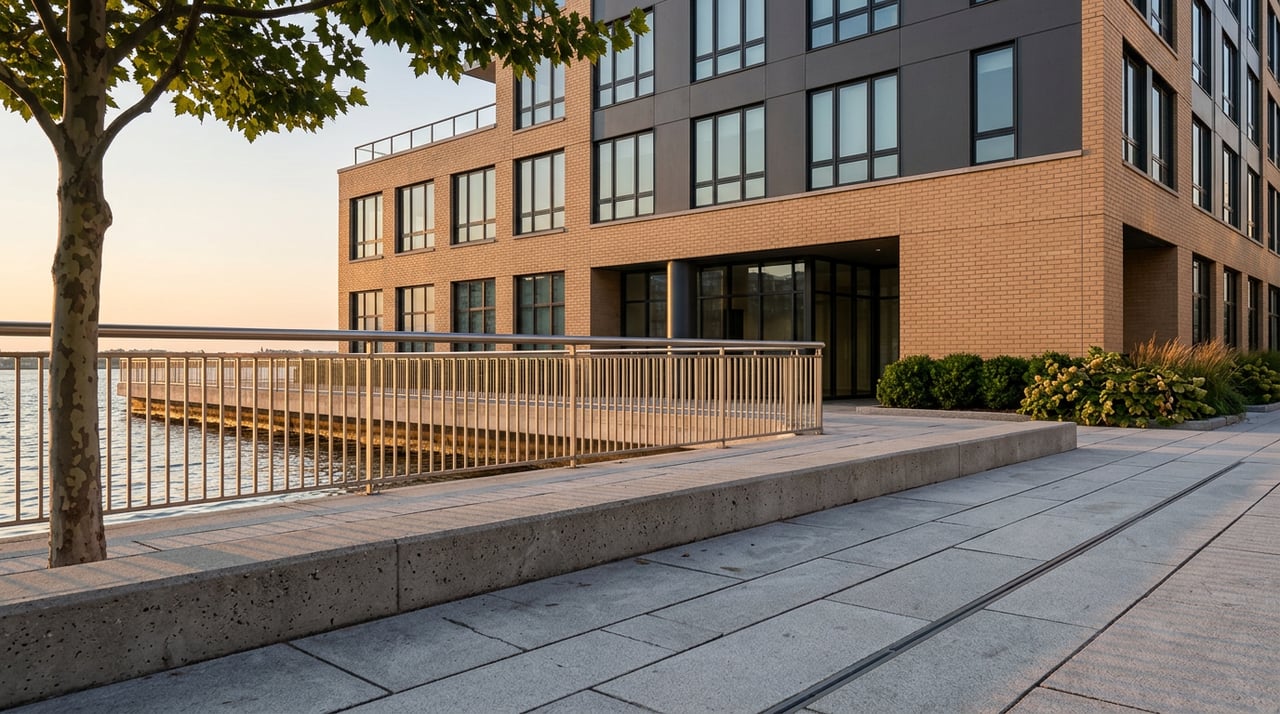
Picture yourself stepping out to a concert, then catching a boat across the river for dinner. If you’re weighing a sleek condo on the Washington Channel against a quieter neighborhood, the choice can feel big. In this guide, you’ll see what day-to-day life at The Wharf in Southwest DC really looks like, from homes and costs to transit, amenities, and tradeoffs. By the end, you’ll know how to decide if it fits your lifestyle and budget. Let’s dive in.
Southwest Waterfront at a glance
The Southwest Waterfront, known as The Wharf, is a mile-long, mixed-use neighborhood along the Washington Channel. It opened in 2017 and reached substantial completion with Phase 2 in October 2022, bringing new residences, hotels, offices, entertainment, and parks to the water’s edge. The development has been cited at roughly $3.2 to $3.6 billion in overall investment, reflecting the scale of its transformation. You can get a sense of the vision and buildout from the developer’s summary of the project’s five-year mark and completion details at The Wharf’s newsroom.
In April 2025, a major equity partner acquired the project, a move that could shape future retail mix, event programming, and operations. If you care about the neighborhood’s evolving vibe, it is worth following this change through WTOP’s coverage of the transaction. Ownership shifts like this are common with large mixed-use districts and can bring both fresh energy and some churn over time.
Homes and prices: condos, rentals, boats
You’ll find a range of housing at The Wharf, with most inventory in condominiums and rental apartments. On the luxury end, buildings like Amaris offer high-end finishes, concierge service, and premium views; recent listings show upper-tier homes that can reach into the multi-million dollar range with notable condo fees. Review an example at Amaris on Homes.com to understand finishes and fee structures. Always verify current pricing through live listings when you are ready to shop.
If you prefer to rent, large buildings such as The Channel offer studios through multi-bedroom layouts with extensive amenities. Advertised rents often place one-bedrooms in the mid-$2,000s and two-bedrooms in the $3,000s or more, depending on size, floor, and view; check representative ranges at The Channel’s page. The Tides, the development’s final apartment building, includes a mix of market-rate and designated affordable or workforce units across multiple income tiers (30%, 60%, 100%, and 120% MFI), as outlined in the developer’s announcement.
There is also a small liveaboard community at the marina. Living on a boat carries unique rules, slip fees, and financing considerations that differ from land-based housing. If this lifestyle interests you, review background from the local liveaboard association at DCHouseboat and speak with your lender early about requirements.
Lifestyle: dining, music, waterfront
Life at The Wharf centers on the water and an active public realm. Piers, parks, and promenades line the channel, with dozens of restaurants and small shops steps away. For music lovers, The Anthem hosts large shows and touring acts with variable capacity up to roughly 6,000, anchoring a broader slate of venues and events; see the venue snapshot at The Anthem’s page. Year-round festivals, seasonal markets, and pier activations bring a steady calendar of things to do.
Water access shapes daily life in practical ways too. You can rent kayaks or paddleboards, and during the main season the neighborhood supports water taxi connections and a short-route jitney to nearby parkland. Expect plenty of visitors on weekends and event nights, especially during peak seasons.
Transit, walking, and parking
Few waterfront neighborhoods match The Wharf’s transit options inside the District. You are a short walk or shuttle ride from L’Enfant Plaza, a major transfer hub for the Green, Yellow, Blue, Orange, and Silver lines; review lines and transfer details at WMATA’s L’Enfant Plaza page. A free Southwest shuttle links The Wharf with L’Enfant Plaza and the National Mall, and the site is built for walking and biking with multiple access points. For water routes, event-day tips, parking guidance, and the shuttle map, check the neighborhood’s Getting Here guide.
If you drive, proximity to I-395 and I-695 is convenient, but plan around event schedules. Driving can be slow when concerts or games let out, and garage parking costs can add up. Many residents treat car use as occasional rather than daily, relying on transit and walking for most trips.
Tradeoffs to weigh
- Noise and crowds. Big shows at The Anthem and seasonal festivals create energy, but they also bring sound and foot traffic, especially on weekends and event nights. If you want a consistently quiet setting, visit during peak hours to gauge your comfort with the ambiance.
- Higher costs and fees. Waterfront locations and new construction often mean higher purchase prices, premium rents, and meaningful condo or HOA fees. Review budgets carefully, including fees and taxes, before you make offers.
- Flood risk and design. Much of the new construction was designed above mapped flood elevations and uses modern mitigation strategies, though some nearby historic areas rely on removable protections. Ask for a building’s elevation documents and flood program details, and review project-focused notes like this design case study for The Tides.
- Retail churn and operations. Visitor-focused districts evolve. The project’s 2025 ownership change, covered by WTOP, may shape future retail and programming.
- Liveaboards are niche. Boat homes are limited and governed by marina policies. If you go this route, plan for specialized financing and slip availability.
Who thrives at The Wharf
- You want walkable, transit-rich urban living with frequent waterfront events and dining at your doorstep.
- You plan to use Metro, shuttle, bikes, and rideshares more than a car.
- You value modern amenities, concierge-style buildings, and panoramic water views.
You may prefer to compare other areas if:
- You want low noise, easy surface parking, and a single-family yard.
- You prioritize a quieter, historic vibe over a programmed entertainment district.
Nearby waterfront alternatives
- Old Town Alexandria. Historic streets, smaller shops, and a quieter, small-town waterfront feel with its own events calendar. Water taxi connections offer easy visits from DC.
- National Harbor. A larger, suburban-format entertainment complex with ample parking and a tourist focus. More car-oriented, with relative affordability compared to new DC waterfront product.
- Georgetown. A historic, upscale retail corridor with a scenic waterfront but fewer new-build residential towers and no direct Metrorail station.
Checklist for touring a Wharf home
Use this quick list to compare addresses and buildings:
- Building elevation and flood details. Request the seller’s or HOA’s flood disclosures, elevation certificates, and any flood panel or mitigation notes.
- Fees and parking. Review condo or HOA fees, what they include, garage cost, and any guest parking rules.
- Event calendar and venue proximity. Note distance to The Anthem and other venues, and visit on a weekend evening to test noise and crowds.
- Commute plan. Map your route to work using L’Enfant Plaza transfers and the Southwest shuttle. If you drive, test it at rush hour.
- Liveaboard specifics. If considering a boat home, confirm slip rules, marina policies, and lender requirements.
Your next step
If you’re drawn to waterfront views, strong transit, and a lively scene, The Wharf can be a great fit. If you prefer calm streets and easy parking, a different waterfront might suit you better. Either way, a focused tour during peak and off-peak hours will tell you a lot. Ready for a tailored plan and on-the-ground advice? Reach out to Francisco Hoyos to compare options, run numbers, and time your move with confidence.
FAQs
What is The Wharf in Southwest DC?
- The Wharf is a mile-long, mixed-use waterfront district along the Washington Channel that opened in 2017 and reached substantial completion in 2022, adding residences, hotels, offices, venues, and parks. See the developer’s overview in The Wharf’s newsroom.
How much do condos and apartments cost at The Wharf?
- Examples show luxury condos that can reach into the multi-million dollar range plus notable fees, while many one-bedroom rentals often advertise in the mid-$2,000s and two-bedrooms in the $3,000s or more. Confirm current pricing with live listings such as Amaris on Homes.com and The Channel.
How noisy is The Wharf at night and on weekends?
- Expect more activity during concerts, festivals, and game days. The Anthem draws large crowds, so visit during an event to experience real conditions; learn more about the venue at The Anthem’s page.
Is flood insurance required for homes near the water?
- It depends on the exact building and elevation. Many new buildings incorporate flood mitigation, but you should review building disclosures and speak with your lender and insurer; this project overview for The Tides provides context on resilience features.
Can I live car-free in the Southwest Waterfront?
- Many residents do. You have a free Southwest shuttle to the National Mall and L’Enfant Plaza and strong Metrorail connections there; check WMATA’s L’Enfant Plaza hub and The Wharf’s Getting Here guide for routes, walking times, and tips on event-day travel.