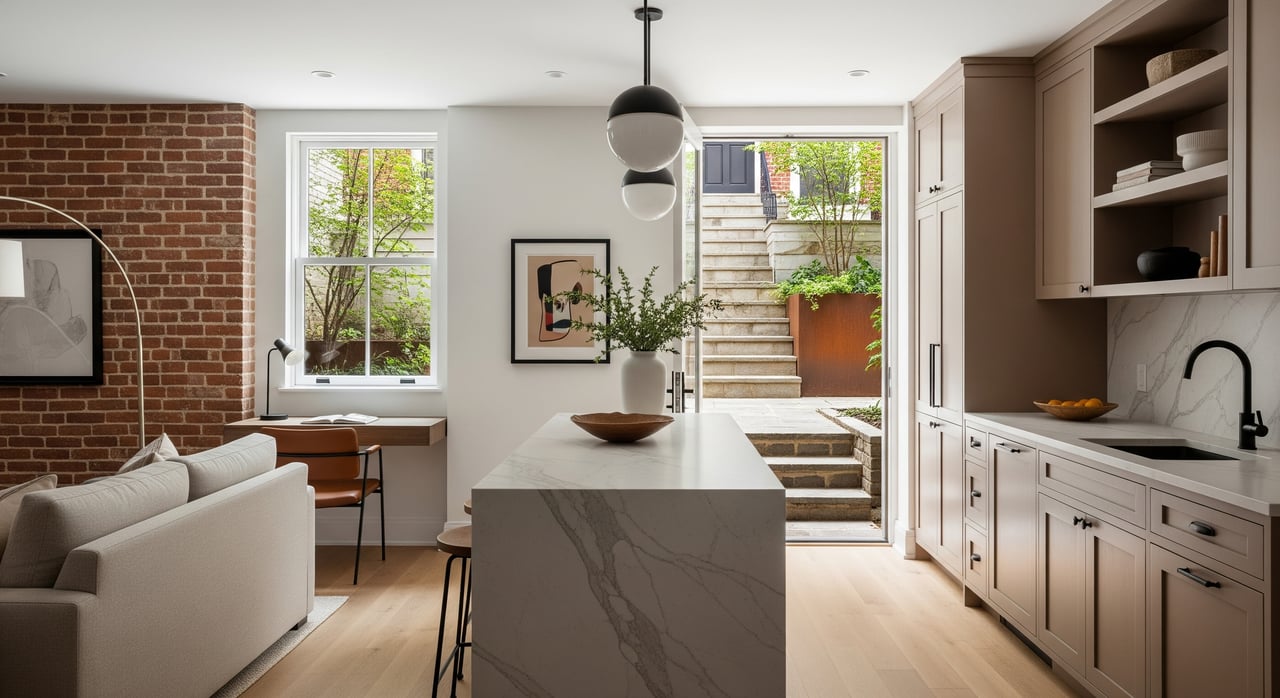
Thinking about turning your DC basement into a legal apartment? When done right, it can generate steady income and boost your home’s value. Still, zoning rules, permits, and financing can feel complex. This guide walks you through what DC allows, how to permit a safe unit, and the funding paths you can use to make the numbers work. Let’s dive in.
DC zoning basics for basement ADUs
DC calls a basement ADU an “accessory apartment.” In most residential R zones, one accessory apartment is allowed as a matter of right, subject to size, occupancy, and lot rules. You can review the accessory‑apartment rules in Subtitle U to confirm what applies to your property and zone. See the accessory apartment section in Subtitle U for details on what is permitted and the process to comply with zoning in the zoning regulations.
Most lots are limited to one accessory apartment per lot. If you already have a secondary unit, plan accordingly and verify your existing use before starting a basement conversion. The same Subtitle U rules include occupant-count limits and owner‑occupancy requirements that vary by zone.
Some zones include a minimum gross floor area for the main house to host an accessory apartment. The Zoning Administrator has clarified a 1,200 square foot minimum where the table omitted values for specific R zones. Review the interpretation and confirm how it applies to your address in the ZA guidance.
If your property is in a historic district, any exterior changes for a basement unit such as areaways or new doors typically require Historic Preservation Office review in addition to permits. Plan extra time for design and approvals. The Department of Buildings offers concept and plan reviews that can flag these issues early on the plan review page.
Permits, reviews, and approvals
Creating a separate dwelling in a basement requires a building permit, plan review, trade permits, inspections, and a Certificate of Occupancy update before you advertise the unit. Start with DOB’s Permit Wizard or ProjectDox and consider a Preliminary Design Review Meeting to get zoning and code feedback up front. Learn more about submittals and workflow on the permits page.
During review, the Office of the Zoning Administrator will confirm zoning compliance. A PDRM can produce a Zoning Determination letter that clarifies whether your plan is allowed. This early step helps you avoid costly redesigns.
To speed things up, consider pre‑approved ADU plan sets if your layout and lot can accommodate them. These model plans can shorten review time and reduce design costs. Explore examples and guidance in DOB’s ADU resources on the ADU resources page.
If you plan to rent the unit after approvals, complete DC’s rental business licensing and registration steps. Review the process and required forms with the District’s licensing portal on the rental licensing page.
Code and safety must‑haves for basements
Safe egress is a top priority. Every sleeping room needs an emergency escape and rescue opening that meets size and accessibility standards. If your design includes bedrooms, plan for compliant egress windows and window wells as required by the adopted code in the egress guidance.
Habitable space must meet minimum ceiling heights and basic light and ventilation requirements. A typical baseline is 7 feet minimum ceiling height for habitable rooms, with limited exceptions. Review habitability standards in the adopted property maintenance code in the IPMC reference.
Basements must be dry and structurally sound. Plan for damp‑proofing or waterproofing if needed, and budget for HVAC, electrical, and plumbing upgrades sized for a separate unit. Trade permits and inspections are required for these systems as outlined by DOB.
Funding and financing options in DC
You have several paths to finance a basement ADU. DC’s Residential Accessory Apartments Program (RAAP) is a pilot that supports owner‑occupants with funding and technical assistance to build or legalize accessory apartments. Check current eligibility and application windows in DHCD’s RAAP overview.
Beyond RAAP, many homeowners use home equity, renovation loans, or construction financing. FHA’s 203(k) program can wrap renovation costs into a mortgage for eligible owner‑occupants, though it requires added documentation. Review program details and discuss options with approved lenders via HUD’s program listing.
Energy upgrades like insulation or efficient HVAC can sometimes qualify for additional incentives that pair well with an ADU project. DOB’s ADU resource hub is a good starting point for program updates and planning tools in the ADU resources.
For smoother budgeting, map out three steps before you apply for financing: get a PDRM to confirm scope, collect at least two contractor bids, and compare loan options side by side. You can schedule early plan reviews and learn submission requirements on DOB’s plan review page.
Smart planning tips
- Confirm your zoning, minimum floor‑area eligibility, and whether a prior accessory unit exists.
- If you are in a historic district, plan early HPO coordination for any exterior changes.
- Design for egress and ceiling height first. These drive structural and excavation costs.
- Expect HVAC, hot water, and electrical upgrades for a separate unit. Get line‑item bids.
- Consider pre‑approved plan sets to cut design time and reduce review cycles.
- Build the license and Certificate of Occupancy steps into your timeline before marketing the unit.
Step‑by‑step checklist
- Step 0: Quick property check. Confirm zoning district, any historic overlay, and current Certificate of Occupancy status.
- Step 1: Book a DOB Preliminary Design Review Meeting or Concept Review. If exterior work is planned, contact HPO as well via DOB plan review.
- Step 2: Order an as‑built survey. Get at least two estimates that itemize waterproofing, egress windows, MEP upgrades, and finishes.
- Step 3: Confirm financing eligibility. If open and eligible, apply to RAAP through DHCD. Also compare renovation loan and construction financing options.
- Step 4: Prepare plans. If a model plan fits, use a pre‑approved ADU set from DOB’s ADU resources. Submit via ProjectDox or the Permit Wizard on DOB’s permits page. Schedule inspections and secure the updated C of O.
- Step 5: If renting, complete DC rental licensing and registration before listing using the licensing portal.
Next steps and local support
You do not have to navigate this alone. If you want a second set of eyes on zoning, feasibility, timelines, or how an ADU could impact your home’s market value and rental strategy, reach out to Francisco Hoyos. Get local guidance and a clear plan that fits your goals with Francisco Hoyos.
FAQs
Is a basement ADU legal on my DC lot?
- Often yes in R zones, but confirm your zoning district, minimum floor‑area eligibility, and whether another accessory unit already exists using Subtitle U’s accessory apartment rules in the zoning regulations.
What are the biggest code hurdles for basement units?
- Egress windows for bedrooms, minimum ceiling height, moisture control, adequate HVAC and plumbing capacity, and appropriate fire and smoke protections are common review items as summarized by DOB and the egress standards in the egress guidance.
Do DC accessory apartments require owner‑occupancy?
- Some zones include owner‑occupancy and occupancy caps, so check the accessory apartment section in Subtitle U and verify what applies to your specific zoning district in the zoning regulations.
What permits and approvals will I need to finish and rent the unit?
- You will need a building permit with plan review, trade permits, inspections, and an updated Certificate of Occupancy from DOB, then rental licensing and registration if you plan to rent via the permits page and the licensing portal on the rental licensing page.
Can I use short‑term rentals for a basement unit in DC?
- Short‑term rentals are licensed separately from long‑term rentals and have their own requirements; confirm which path you will use and follow the correct DLCP licensing steps on the rental licensing page.
What financing options can help pay for a basement ADU?
- Consider DHCD’s RAAP pilot for eligible owner‑occupants in the RAAP overview and renovation financing such as FHA’s 203(k) program for qualifying projects via HUD’s program listing.